
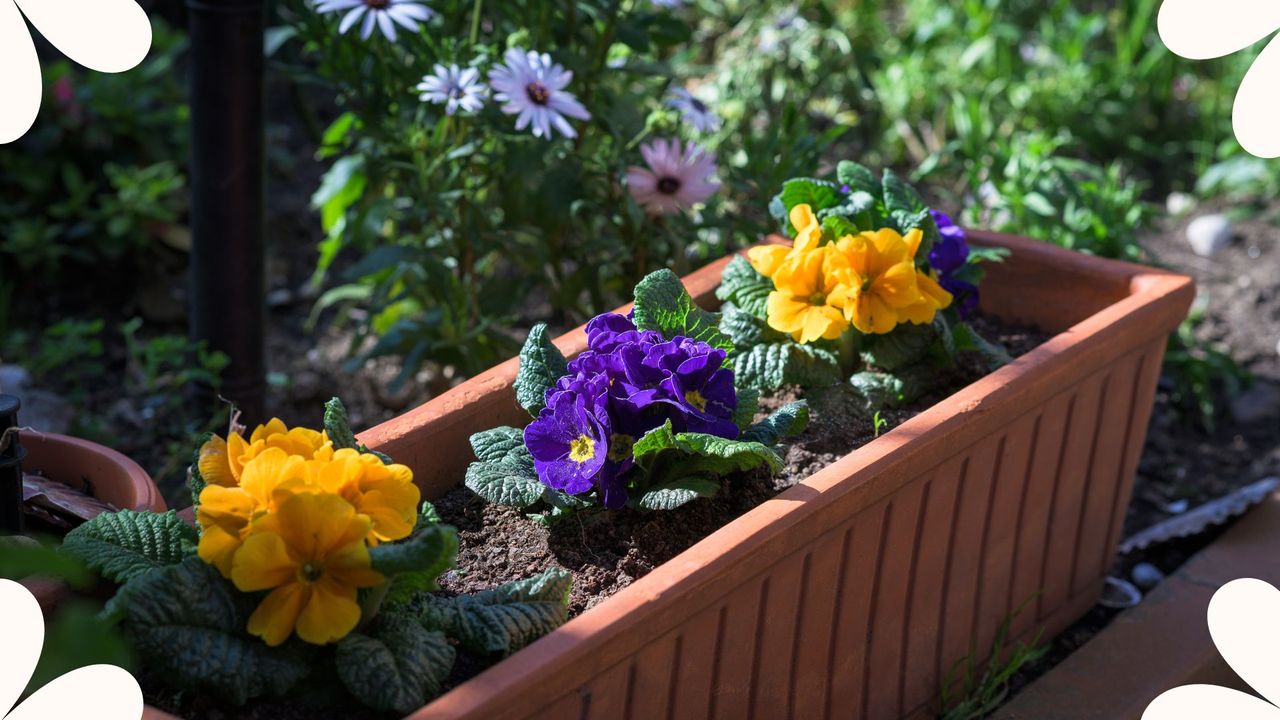
“Primroses, the spring may love them; summer knows but little of them.” So said William Wordsworth, and he wasn’t wrong – these dainty flowers can be found all over the UK throughout the spring, brightening even the darkest days with their pale yellow petals. As the weather warms up, though, they vanish… so what to do with primroses after flowering?
One of those timeless garden trends that green-fingered types can’t get enough of, the humble primrose (which grows beautifully in both sun and shade, in case you were wondering) remains one of the UK’s favourite native blooms.
It makes sense, then, that so many of us are keen to show these pretty flowers all the love and care they deserve. And so, just as you likely wondered what to do with tulips after flowering and what to do with daffodils after flowering, it’s natural that you should start thinking about how best to deal with your primroses after they’ve faded, too.
Thankfully, we’re here to help. We’ve teamed up with the experts to help you figure out exactly what to do with primroses after flowering, so that you can get an even bigger and brighter show of blooms next spring. You’re welcome.
What to do with primroses after flowering: expert advice
If you’re keen to work out how to save your primroses for next year, the trick is to pay them some special attention after they’ve flowered.
Why? Well, because while this beloved garden perennial will, once planted out in the garden, bloom the following year again, there are more than a few ways to help it along its merry way to success.
“Primroses are some of the most beautiful of all the spring flowers, and after flowering has finished, there are a few options to choose from, depending on what you would like to achieve,” says Morris Hankinson, director of Hopes Grove Nurseries.
With that in mind, then…
How to care for your primroses
So, what to do with primroses after flowering? Well, when the last flowers die back, it’s always prudent to give them a dose of diluted tomato feed (such as Levington Tomorite Concentrated Tomato Food from Amazon) and a watering – especially if you’re growing them in pots.
To deadhead or not to deadhead?
“As a rule, primroses will benefit from deadheading, so it’s a good idea to snip the flower heads off with some clean, sharp secateurs when they have finished blooming,” says Morris.
“However, if you would like even more primroses to grow in your garden, it’s a good idea to skip this step and leave the seed heads, as this will allow the seed to disperse.”
If you decide to go for the second option, be sure to take care when you’re weeding your wildflower garden borders, as there will likely be more than a few primrose seedlings in the mix.
Divide and conquer
If you really want to max out how many primrose blooms you can get for your buck, it’s a good idea to carefully remove them from the ground after they've finished flowering – similar to what you can do with bluebells after flowering.
“If you have overcrowded clumps of primroses and you would like to relocate some (or propagate them via division), it’s a really easy gardening task to simply dig some up and divide the clumps with a hand trowel or hand fork,” says Morris.
Next, you’ll want to gently tease the roots of your primrose clumps with your fingers to find and separate any plantlets from the main plant, before planting your baby primroses back in the ground where you’d like them to take root.
Be sure to enrich the soil with sterilised peat-free compost, and give them a good drink of water to help them establish themselves.
“If you are yet to grow primroses, late spring is a good time of year to find some for cheap in garden centres because they have finished flowering,” adds Morris.
“Either plant them out as they are or divide bigger plants and you’ll get two or three for one.”
How to save primroses for next year?
As mentioned already, the best way to save primroses for next year is to divide them. As per the Royal Horticultural Society (RHS), you’ll want to lift your spent primroses “gently with a garden fork, working outwards from the crown’s centre to limit root damage”.
Then, all that’s left to do is brush away any excess soil, tease out the new plantlets, plant them as soon as possible in soil that’s been enriched with sterilised peat-free compost, and give them a good drink of water.
Alternatively, you can “pot up individually to build up size, overwintering pots in a frost-free environment,” adds the RHS. Clean your terracotta pots, ready to make way for your new plants.
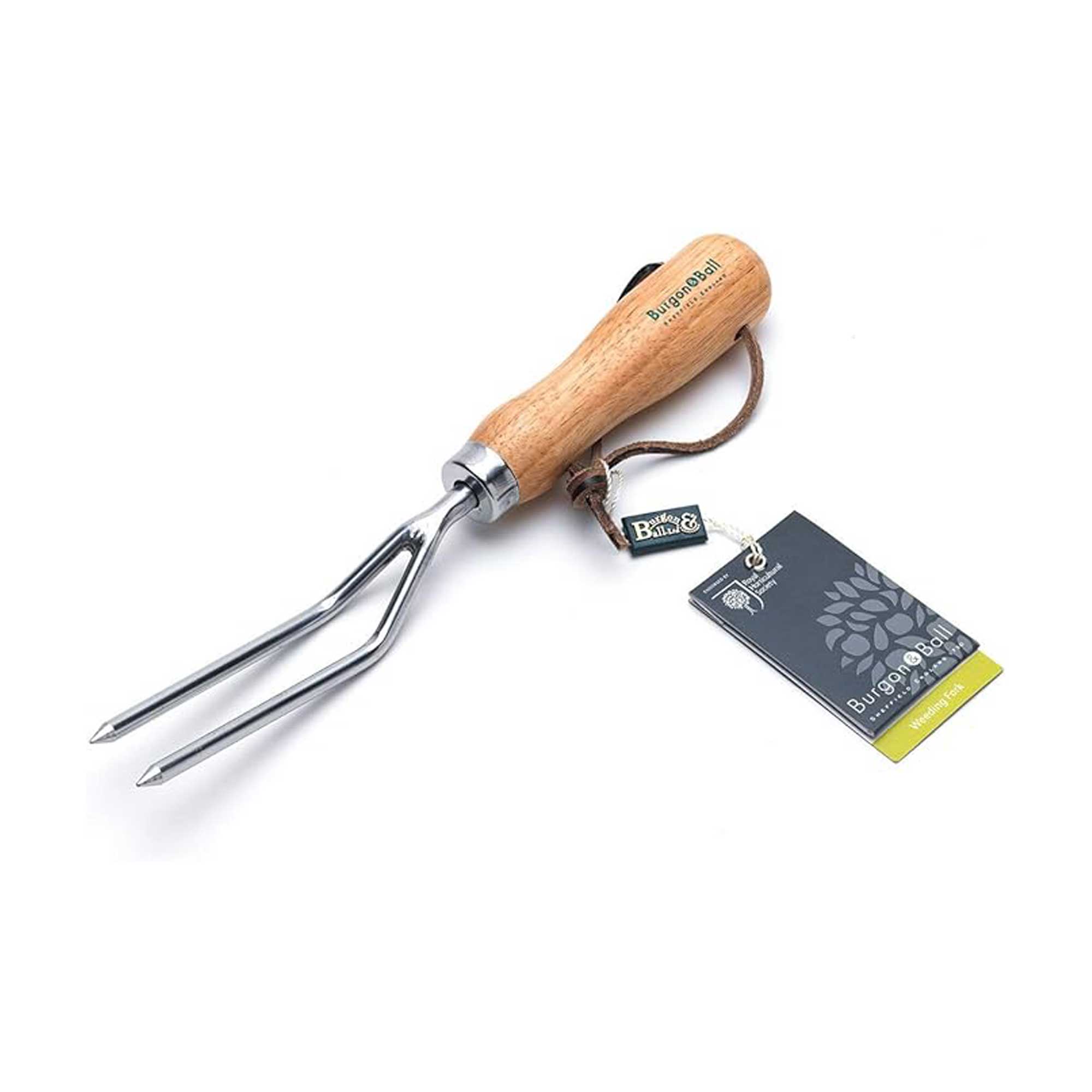
With its rust-resistant, stainless steel head, this tool is ideal for lifting out weeds with long roots. The handy leather cord means it can be hung up neatly afterwards.
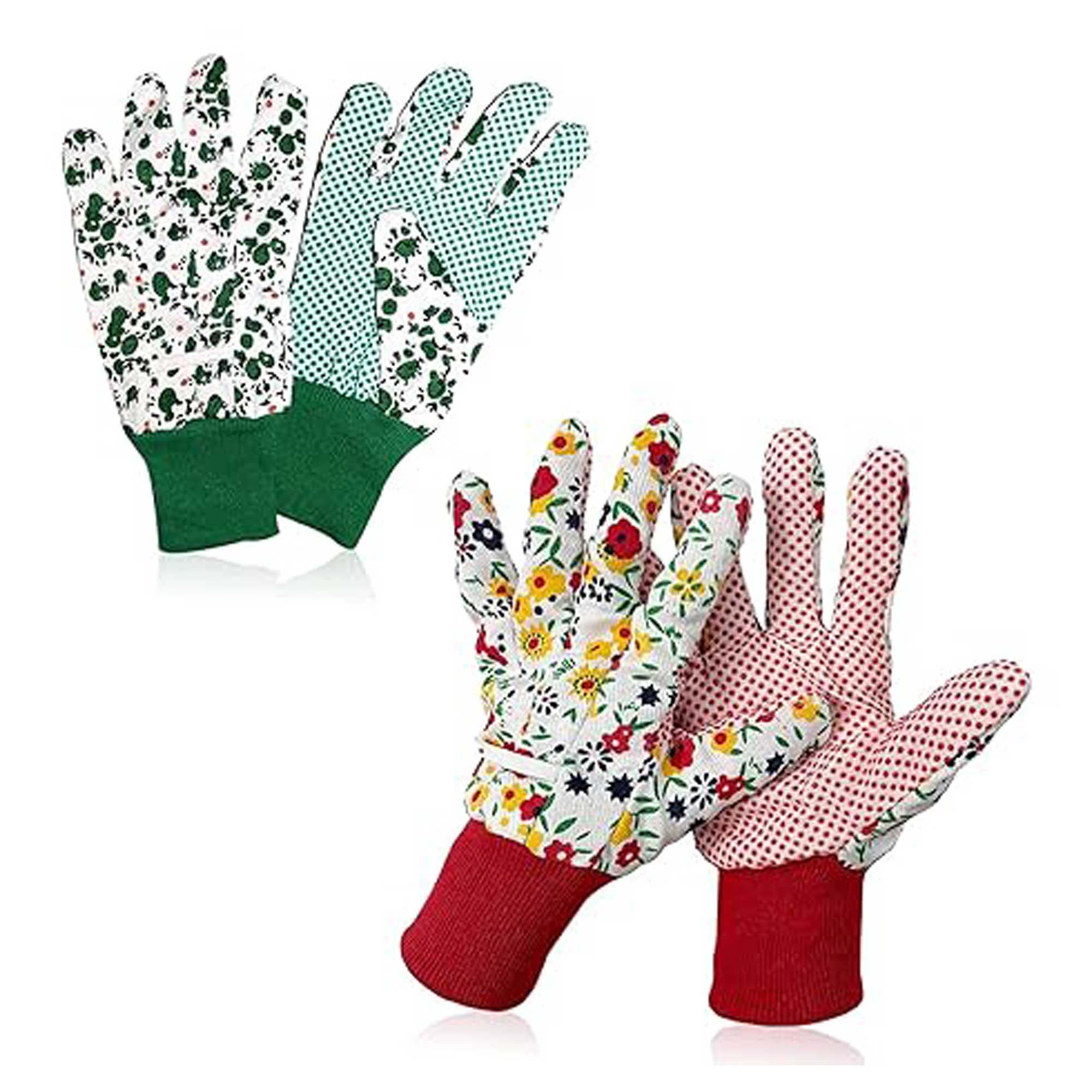
Keep your hands protected and add these popular and lightweight gardening gloves to your kit, which feature knitted wrists and a pretty print.
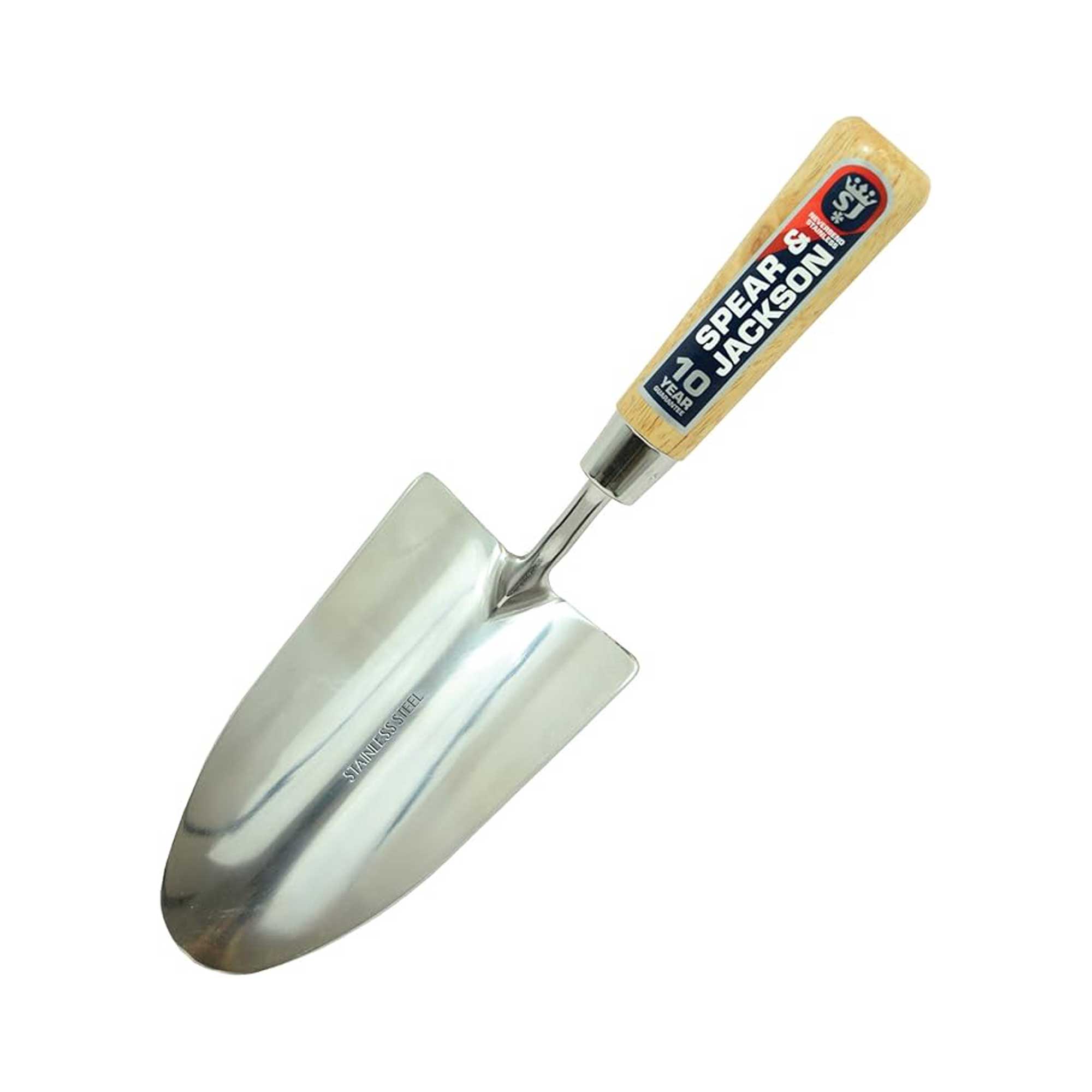
A trowel is a must-have for any gardener, no matter if you're tending to raised beds or a couple of pots. This one is rust-resistant, budget-friendly, and has great customer ratings.
Do you cut back primroses after flowering?
You don’t need to cut back primroses after flowering, although you can deadhead them if you want to keep them from self-seeding.
How long do primroses last in the UK?
While primroses can bloom as early as late December and flower until May, their true superpower is their persistence; these pretty little perennials should prove themselves the comeback kings of your garden, returning to bloom next spring (if that’s what you’d like from them).
Now that you know what to do with primroses after flowering, you can sit back and enjoy the last flush of these perennial beauties before they die back for the summer. Remember, though, that this is not goodbye; it’s au revoir. Because, with a little TLC, they’ll be back to cheer you up again next spring.
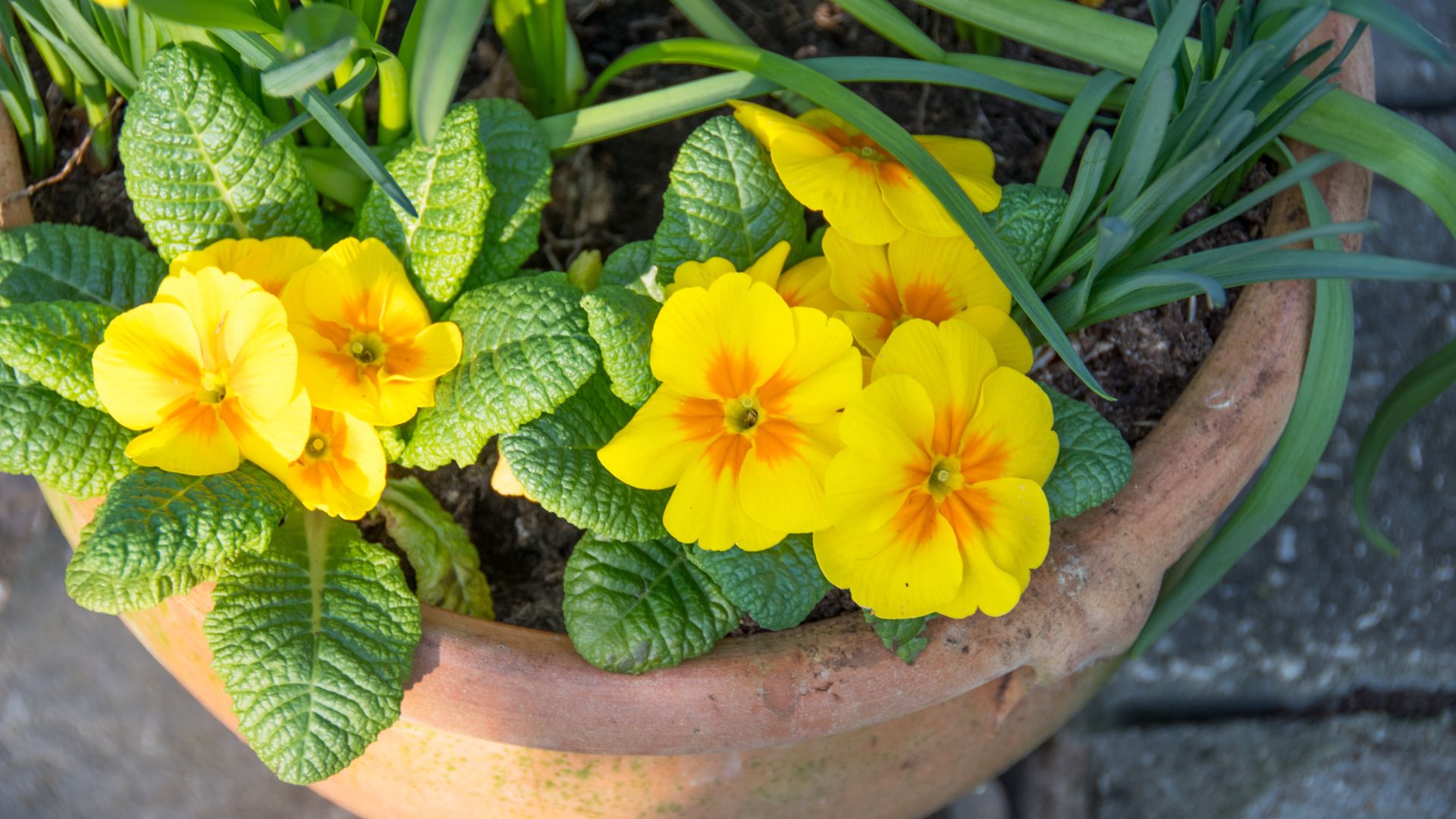
How do you keep primroses blooming all summer?
In the same way you can prune roses to maximise their blooming, there are a few things you can do to ensure you get the most from your primroses.
"One of the simplest ways to still have primroses flowering in the summer in your garden is to be selective when choosing the varieties to plant. For example, ‘Belarine Valentine’ is a hardy, double-flowered primrose which packs a punch. Whilst for flowers during May to July pick ‘Val’s Primrose’ which has unique poker-shaped flower spikes or ‘Candelabra’ primroses whose flowers grow in a three-tier arrangement above their basal leaves," starts Lucie Bradley, gardening expert at Easy Garden Irrigation.
Along with choosing the right flower, Lucie also suggests deadheading any spent flowers at the base of the stalk. This will encourage the plant to reflower and prevent the stem from rotting.
"Correctly watering primroses will also keep them blooming longer, and it is a delicate balance of not overwatering so the soil is soggy, but neither underwatering, which can cause primroses to wilt and actually stop flowering. The best routine is to water consistently during spring and summer, watering the soil beneath the leaves so that the foliage doesn’t get wet, which can cause the crown to rot," she adds.
Do primroses come back every year?
If you're looking to keep your gardening costs down, then choosing plants that naturally return each year is a great way to do it. Perennials, especially the hardy kind, will continue to flourish in your garden for years without needing to be repurchased.
"Whilst garden centres are full of brightly coloured primroses in early spring, making many people treat them as annuals, primroses are actually hardy perennials and should easily flourish in your garden for between three and five years," explains Lucie.
"As they become established, primroses will self-seed and spread, forming large clumps in your garden, so it’s best to divide these clumps up every so often so the plants remain healthy and you can spread them to new areas in your garden or pass them along to friends," she continues.
Whether you're looking to attract butterflies to your garden or simply love the classic plant, primroses are a fantastic addition to your garden.