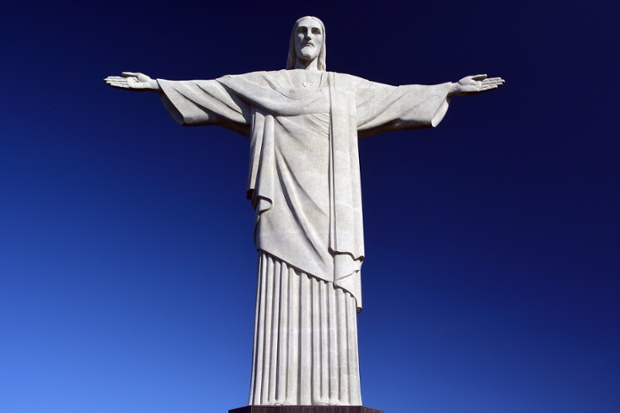
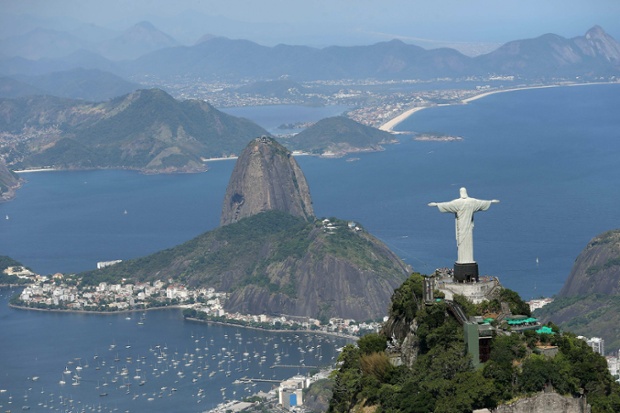
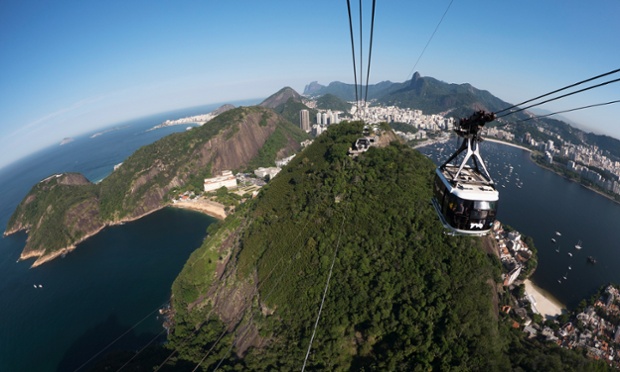
The art deco statue of Christ the Redeemer (Cristo Redentor) was constructed between 1922 and 1931, is 30 metres tall and stands on the 700-metre Corcovado mountain in the Tijuca Forest national park. Up close, the sheer scale of it is impressive … Photograph: CorbisBut the views from the statue overlooking the city are out of this world. Photograph: CorbisThe other world-famous view in Rio is from Sugarloaf mountain (Pão de Açúcar). Photograph: Dean Mouhtaropoulos/Getty Images
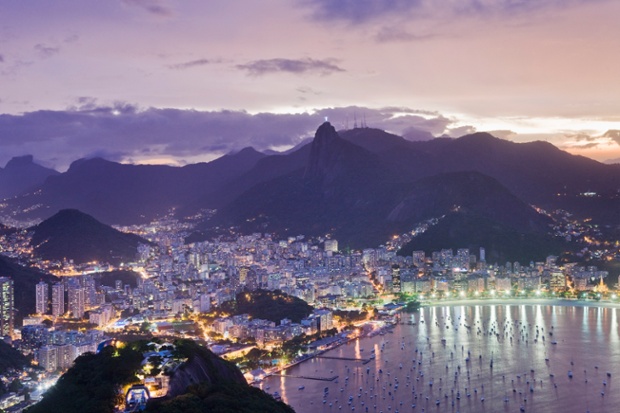
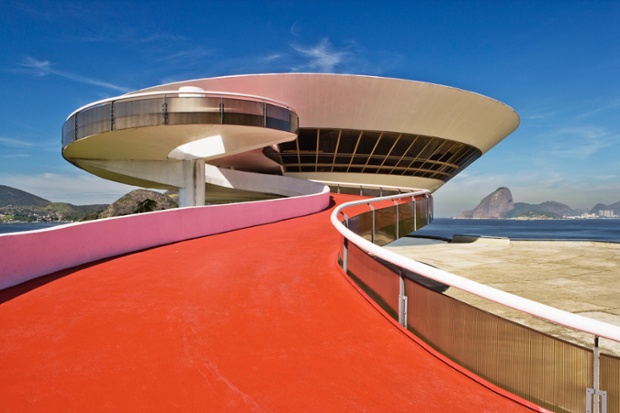
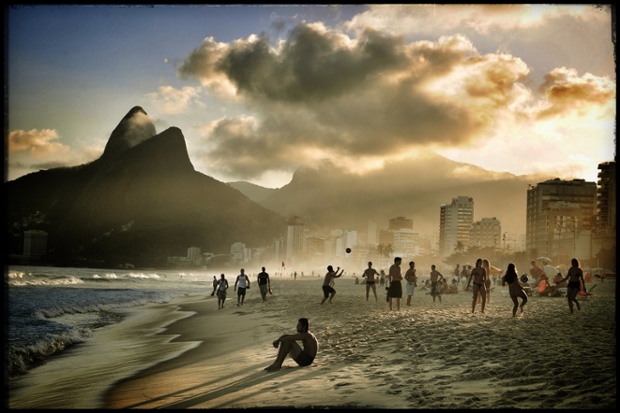
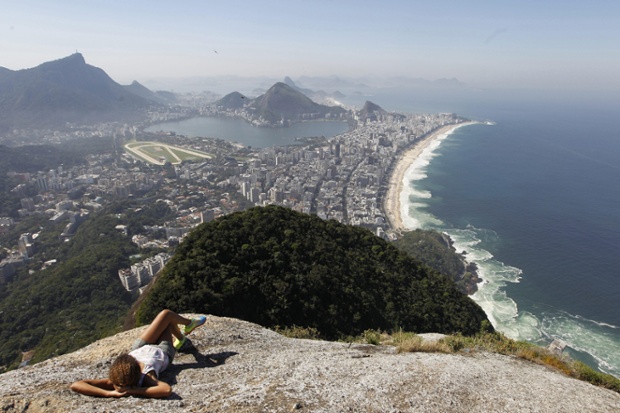
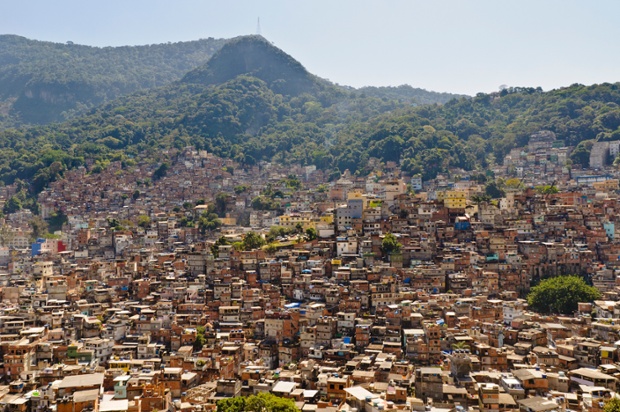
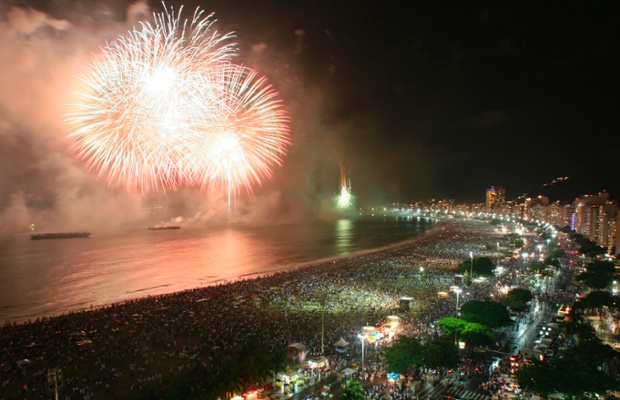
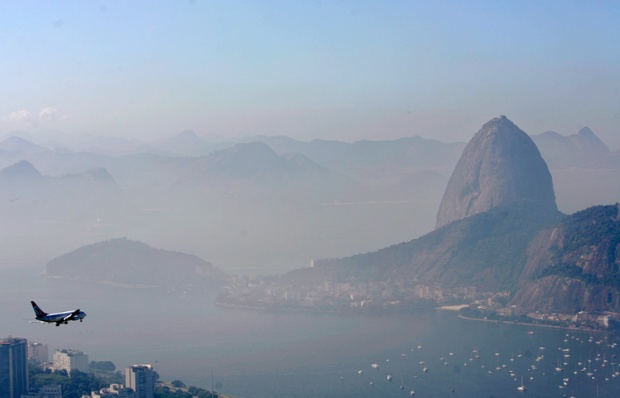
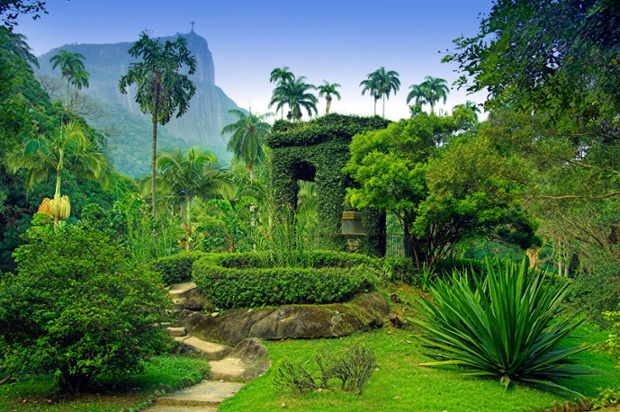
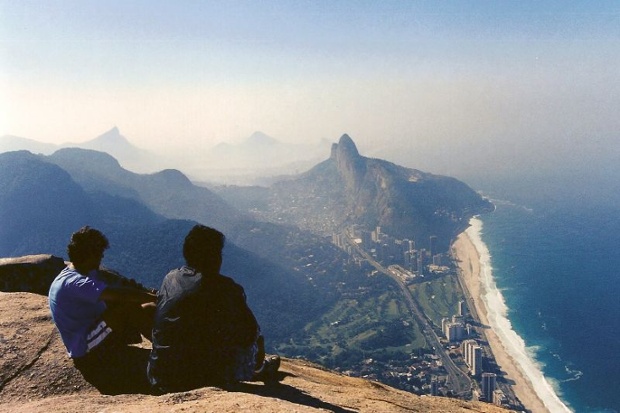
The best time to take the cable car to the top of Sugarloaf is sunset, as the city below lights up. Photograph: CorbisNiteroi, a Rio satellite town across Guanabara Bay, has several great views of the city, but the juxtaposition of the mountains and the sea with Oscar Niemeyer’s futuristic modern art museum really make this one stand out. Photograph: Alan Weintraub/Arcaid/CorbisNot a bad backdrop for a city beach. The view from Ipanema looking towards the Dois Irmãoes (Two Brothers) mountains. Photograph: Michael Regan/Getty ImagesThe view from the top of Dois Irmãoes isn’t bad either. The one-hour trail up passes through Vidigal, Rio’s most foreigner-friendly favela, which has been open to tourists since 2012 when the community was ‘pacified’ by the police. Photograph: AlamyRocinha is the biggest favela in Latin America, home to around 70,000 people (though some put the number much higher). In its own way the view is just as spectacular as from the famous tourist sights. Photograph: Miguel Caibarien/CorbisThe magnificent 4km sweep of Copacabana beach is always impressive, but on New Year’s Eve, with more than two million people partying and watching the fireworks, it is extra special. Reuters/Ricardo MoraesRio's domestic airport, Santos Dumont, is right in the city centre, so take-off is spectacular, with pilots often giving a running commentary as they swoop around Sugarloaf and then cruise over Copacabana and Ipanema beaches. Be sure to ask for a right-hand window seat. Photograph: Sergio Moraes/ReutersRio’s beautiful botanical garden (Jardim Botânico), founded in 1808 by King John VI of Portugal, is worth a visit. It contains around 6,500 species of plant and 140 species of bird – and a view of the omnipresent Cristo, who can be seen from all over the city. Photograph: AlamyThe two-to-three hour hike to the top of Pedra da Gavea, west of the city, is a tough but rewarding one, offering views back over the forests, beaches and mountains. Photograph: Marcelo Medeiros/flickr
Sign up to read this article
Read news from 100’s of titles, curated specifically for you.