
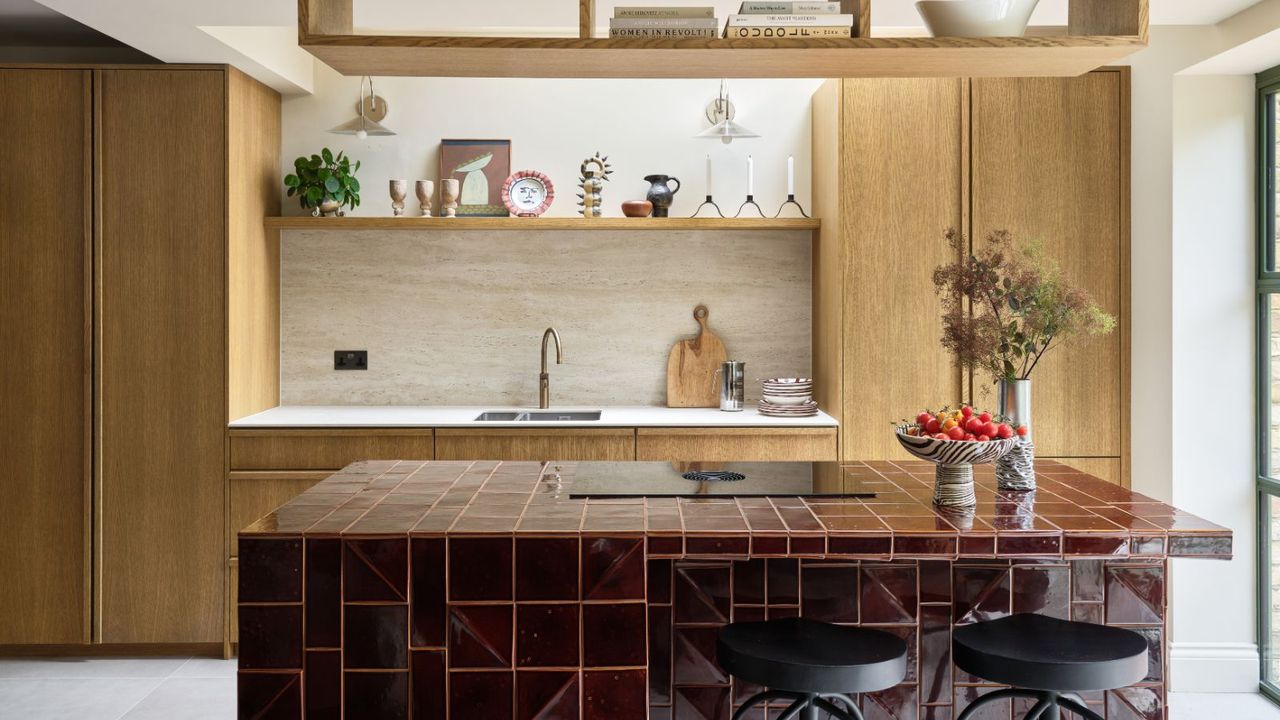
Creating a non-toxic home should be a priority for us all. While some household hazards, such as mold and harsh cleaning chemicals, are easy to spot, many sources of toxicity are hidden in everyday items, from cookware and bedding to personal care and cleaning products.
Over time, exposure can affect your well-being, contribute to indoor pollution, and impact the environment. The good news is that understanding the potential risks and making more informed non-toxic choices can help create a healthier home.
With the help of toxicologists, we have curated an overview guide of the most important terms and certifications you need to be aware of and offered the basic first steps you need to create a less toxic home without feeling overwhelmed.
What Does 'Non-Toxic' Actually Mean?
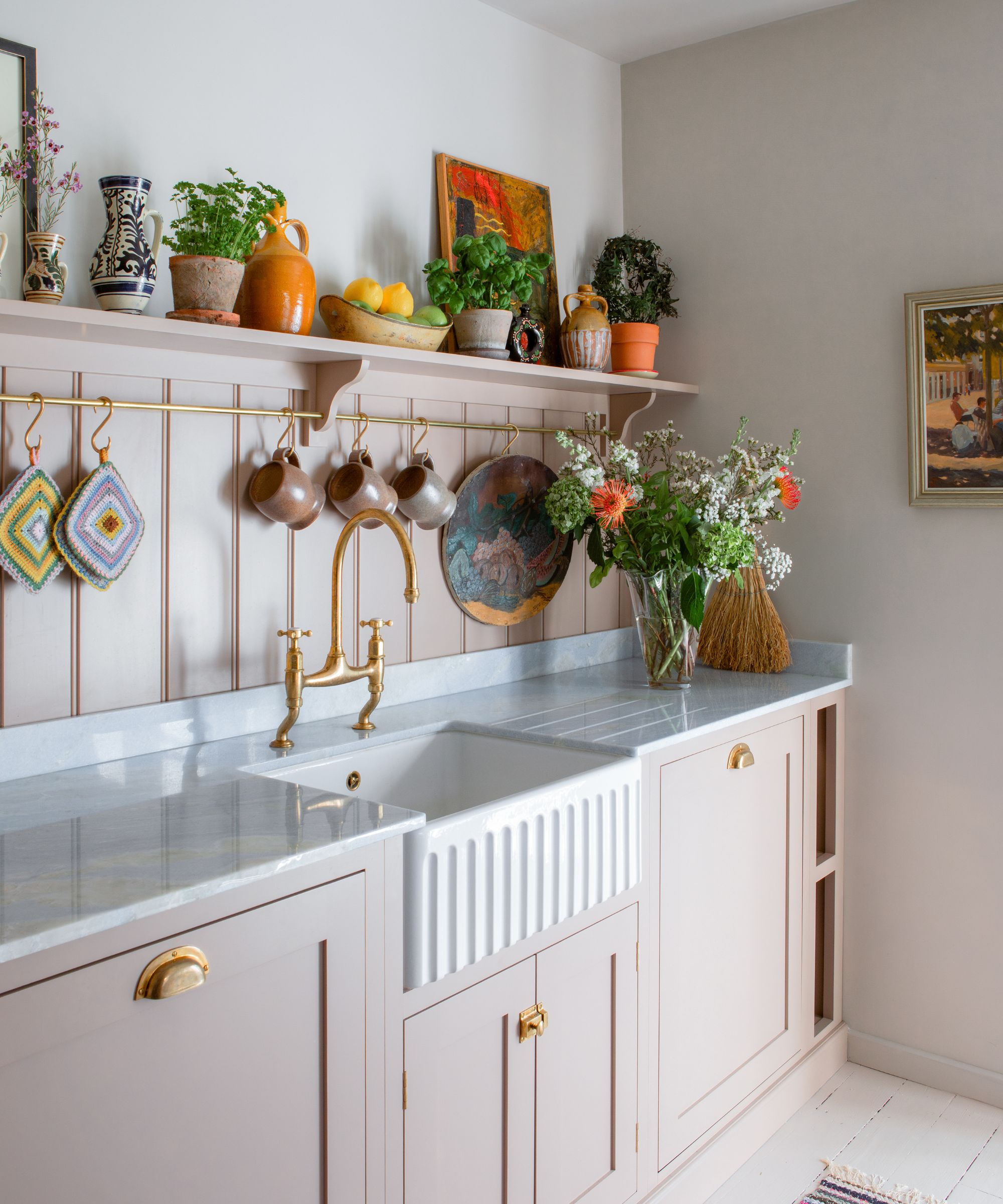
The term 'non-toxic' seems to be everywhere, from the best non-toxic air fryers and non-toxic cookware to skincare and beyond. Despite this, there is no single regulated definition for what this label means.
Dr Racheal Onah, a consulting physician with Realtime Labs and an environmental toxin expert, warns that, 'A label claiming a product is non-toxic does not necessarily mean it is the healthiest option or completely free of harmful compounds. It simply means it aims to limit exposure to certain specific, well-known chemicals, often while ignoring others.'
In theory, these are the 'safer' choices for our homes, helping to reduce our exposure to hazards over time.
That said, it is further complicated when you consider that there is a regulatory gap in different parts of the world. Dr Onah says, 'For example, there is a massive regulatory gap between the US and the EU regarding mycotoxins in everyday foods. The FDA currently has no binding limits for certain toxins, like Ochratoxin A, meaning products that are perfectly legal to sell in the US would be pulled from shelves in Europe. Just because a household product or a food item is legally allowed to be sold does not mean it is entirely safe from a cumulative health perspective.
'Because of these loose regulations, relying on marketing labels isn't enough.' Luckily, as a shopper, you can learn what products or materials are most likely to include toxins that may pose a risk, and help reduce them in your home.
Hazards Versus Risks
Speaking of hazards, there is an important distinction to be made between those and risks when trying to create a non-toxic home.
Dr Onah explains, 'In toxicology, a hazard is something that has the inherent potential to cause harm, while the risk is the actual likelihood that the hazard will cause harm based on your level of exposure.
'To apply this to the home, PFAS in your cookware, BPA and BPS in plastics, or mycotoxins in your food, air, or products are hazards. This is because they have been shown to disrupt biological systems or be linked to adverse health effects. Risk, on the other hand, refers to the likelihood of harm based on how often you use them, how much they degrade, and how effectively they enter your body.'
In other words, the mere presence of a potential hazard does not automatically mean that it is dangerous. A plastic container is not a hazard just because you are standing next to it, for example. The risk increases, however, if you put food in the container and overheat it in a microwave, say when warming leftovers. It increases further if you repeat this behaviour frequently.
The good news is that creating a healthier home isn't about eliminating every potential hazard. It's about understanding where the biggest risks are and making practical changes that reduce unnecessary exposure over time.
Cumulative Exposure
This repetition of habits can lead to cumulative exposure.
Dr Onah explains, 'When we talk about cumulative exposure, we are referring to what is slowly accumulating inside your body over time, rather than what is found in a single product or a single exposure.
'In our daily lives, we are exposed to thousands of microscopic chemical compounds, but cumulative exposure matters immensely in our homes because these environments are where we spend the most time. For example, mycotoxins from mold, much like the chemicals in cookware or cleaning products, are microscopic, virus-sized particles that can easily disperse and be inhaled. They are notoriously difficult for the body to clear because they typically reside deep within organs, tissues, and fat cells rather than just circulating freely in the bloodstream.
'Over time, this cumulative burden can lead to severe chronic symptoms like brain fog, extreme fatigue, and complex gut or neurological issues.'
The reality is that no home can be completely free from every potential source of exposure, nor does it need to be. Instead, understanding the biggest sources and making thoughtful swaps over time can meaningfully reduce your overall exposure without feeling like you need to overhaul your entire home.
Common 'Non-Toxic' Terms Explained
Chemical / Material |
Commonly Found In |
Potential Concerns |
|---|---|---|
VOCs (Volatile Organic Compounds) |
Paints, varnishes, adhesives, flooring, furniture, cleaning products, air fresheners |
Can contribute to indoor air pollution. Some VOCs may cause irritation, headaches, dizziness, or respiratory symptoms, particularly in poorly ventilated spaces. |
Formaldehyde |
MDF, particleboard furniture, cabinetry, flooring, adhesives, textiles |
A type of VOC that can off-gas into indoor air. Associated with eye, nose and throat irritation and classified as a human carcinogen at sufficient exposure levels. |
PFAS (Per- and Polyfluoroalkyl Substances) |
Non-stick cookware, stain-resistant materials, waterproof materials, food packaging |
Also known as 'forever chemicals' that can accumulate in the environment and human body. Studies have linked certain PFAS to a range of health concerns. |
Phthalates |
Vinyl flooring, shower curtains, synthetic fragrances (such as plug-ins and candles), personal care products, plastics |
Used to soften plastics and stabilize fragrances. Some phthalates have been associated with endocrine and reproductive effects. |
Bisphenols (BPA, BPS, BPAF) |
Plastic food containers, kitchen appliances, kitchen utensils |
An endocrine disruptor that interferes with natural hormones. It is linked to reproductive issues, developmental problems in children, and potentially increased risks for cardiovascular disease, diabetes, and certain cancers. |
Flame Retardants |
Upholstered furniture, mattresses, insulation materials |
Added to slow combustion. Certain older flame retardants have been associated with developmental, neurological, and endocrine concerns. |
PVC (Polyvinyl Chloride) |
Vinyl flooring, pipes, blinds, shower curtains, synthetic leather |
PVC itself is relatively stable, but manufacturing and additives such as phthalates can raise environmental and health concerns. |
Styrene |
Foam insulation, disposable food containers, carpet backing, plastics |
Can off-gas from some products. High occupational exposures have raised health concerns, leading to ongoing study of consumer exposures. |
Perchloroethylene (PCE) |
Dry-cleaned fabrics, some spot removers and solvents |
A solvent associated with neurological effects at elevated exposure levels and commonly discussed in indoor air quality research. |
Quaternary Ammonium Compounds ("Quats") |
Disinfectant sprays, wipes and sanitizing cleaners |
Effective disinfectants but may contribute to skin irritation and respiratory irritation in some individuals. |
Synthetic Fragrance / Parfum |
Candles, air fresheners, cleaning products, laundry products, cosmetics |
Can contain numerous undisclosed ingredients. Concerns typically relate to VOC emissions, allergens and fragrance sensitivities. |
Lead |
Older paint, plumbing, contaminated dust, some imported products |
Particularly harmful to children's developing nervous systems. Exposure is most often associated with old houses with old paint. |
Mold and Mycotoxins |
Damp walls, bathrooms, basements, water-damaged materials |
Moisture-related growth can worsen indoor air quality and may trigger allergies, asthma symptoms and respiratory irritation. |
Micro- and nano-plastics |
Synthetic textiles, household dust, food packaging, plastics |
Scientists are actively studying potential health implications of long-term exposure and accumulation in the body. It is best to avoid where you can. |
How to Read Labels and Certifications

As 'non-toxic' products are not strictly regulated, the trick to creating a non-toxic home is to understand the individual claims, labels, and certifications you might find on a product.
Unfortunately, there are several labels used by brands that are merely marketing language. 'Non-Toxic', 'Green', and 'Natural', are just a few that come to mind. What's more, different types of products will use different terms. Cookware labels, for instance, will not be the same as cleaning products.
That is where independent certifications can provide extra peace of mind. Unlike marketing claims, these certifications often demonstrate that a product has passed third-party testing, screening, and standards to be certified a 'safer choice' for your home.
The tables below explain some of the most common certifications and labels you might find on household products, their limits, and what they mean:
Certifications
Certification |
Usually Used For |
Assesses |
Limitations |
|---|---|---|---|
GREENGUARD Gold |
Furniture, mattresses, paints, flooring, baby products |
Chemical emissions and indoor air quality impacts. Helps identify products with lower VOC emissions, making it particularly useful for products used indoors. |
Focuses on emissions rather than all ingredients or manufacturing processes. |
Global Organic Textile Standard |
Mattresses, bedding, towels, textiles |
Considered one of the most comprehensive certifications for organic textiles. It rates fibre content, chemical restrictions, environmental and social impacts. |
Applies to textile production, not necessarily every part of a finished product. |
OEKO-TEX |
Bedding, clothing, upholstery, textiles |
Testing for hundreds of potentially harmful substances in finished products. Useful for assessing direct-contact products such as sheets, pillowcases and clothing. |
Does not require organic materials or assess environmental practices. |
MADE SAFE |
Household products, mattresses, baby products, personal care items. |
Checks ingredients for known or suspected harmful substances. It is one of the strongest certifications for ingredient safety screening. |
Less commonly available than some larger certifications |
Environmental Working Group (EWG) |
Cleaning products, personal care products |
Offers full ingredient transparency and restrictions on certain products, which is useful for consumers seeking products with stricter ingredient standards. |
Primarily relevant to formulated products rather than furniture or furnishings. |
USDA |
Mattresses, bedding, textiles containing natural fibres |
Monitors organic agricultural production standards and indicates certified organic agricultural ingredients such as cotton or wool. |
Does not always address finished-product emissions or overall product safety. |
CertiPUR-US |
Polyurethane foam mattresses, cushions and upholstered furniture |
Foam emissions and restrictions on certain chemicals. It is a common benchmark for conventional foam products. |
Applies only to foam components, not entire products. |
'Labels' to be Wary Of
Non-Toxic
What it Usually Means: Usually indicates an attempt to reduce harmful ingredients
What it Doesn't Necessarily Mean: Any single, regulated certification standard.
Natural
What it Usually Means: Contains ingredients derived from natural sources
What it Doesn't Necessarily Mean: Safer, non-toxic, or free from allergens.
Eco-Friendly
What it Usually Means: Intended to have lower environmental impact
What it Doesn't Necessarily Mean: Low chemical emissions or ingredient transparency.
Green
What it Usually Means: Broad environmental marketing term
What it Doesn't Necessarily Mean: Independently verified safety claims.
Plant-Based
What it Usually Means: Uses some plant-derived ingredients
What it Doesn't Necessarily Mean: Free from synthetic chemicals or irritants.
Chemical-Free
What it Usually Means: Often marketing language rather than a technical term
What it Doesn't Necessarily Mean: Everything is made from chemicals - even water is a chemical, so this is not a guarantee of safety.
Hypoallergenic
What it Usually Means: Designed to reduce the likelihood of allergic reactions
What it Doesn't Necessarily Mean: Completely allergy-free or free from all irritants.
What to Look For in Your Home And What to Do About It
When creating a non-toxic home, it is very easy to feel overwhelmed or even overcome with worry. But fear not. You do not need to throw everything you own out at once. There are some things that have a bigger impact than others.
The best place to start is with the products you use the most. This might be your most commonly used pan, your air fryer, your household cleaner, or your home fragrance, for example, and then work from there. It can be a long and expensive process, but it is achievable little by little.
I have put together a guide of the best things to focus on in each room of your home to help you get a start:
Kitchen
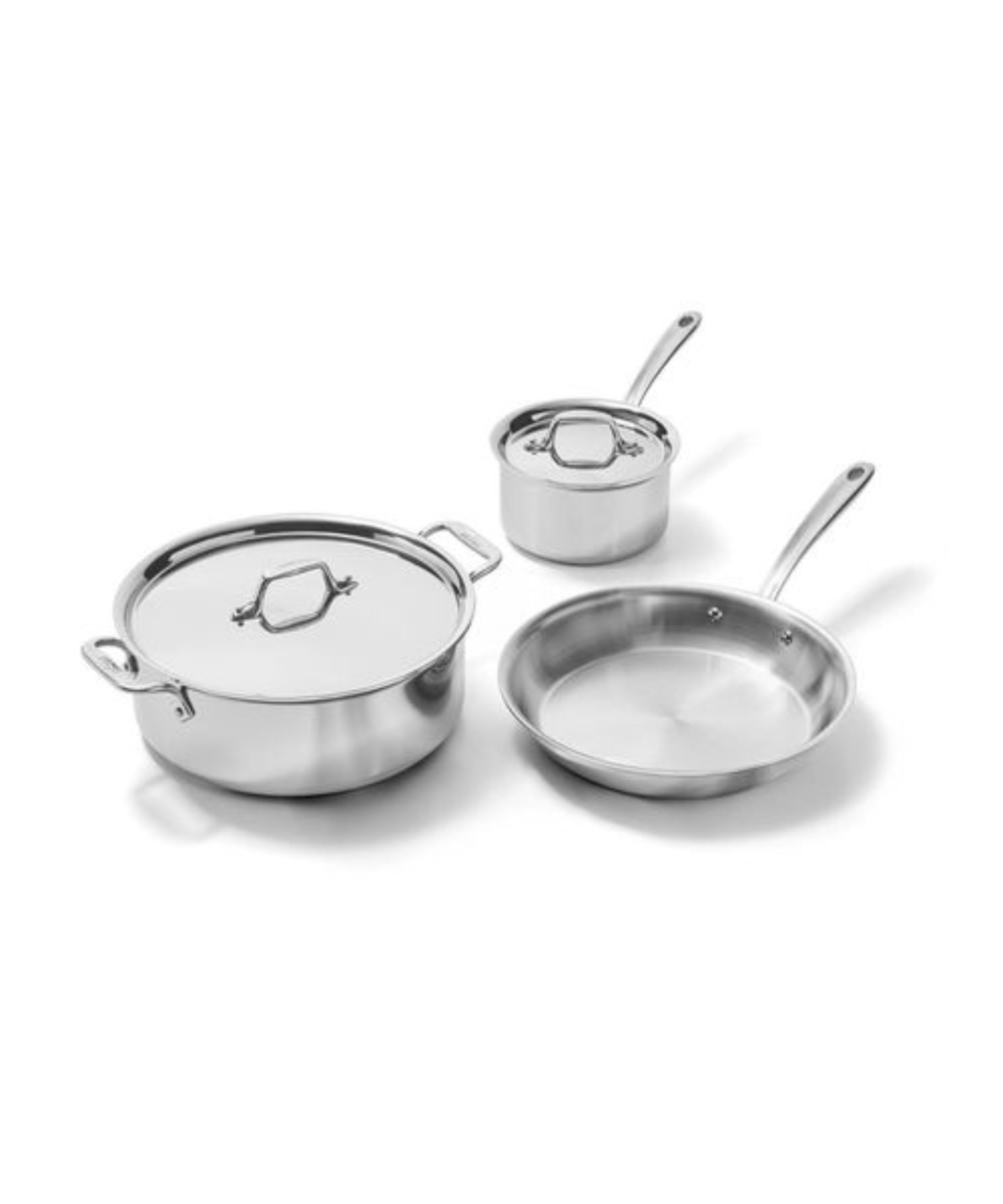
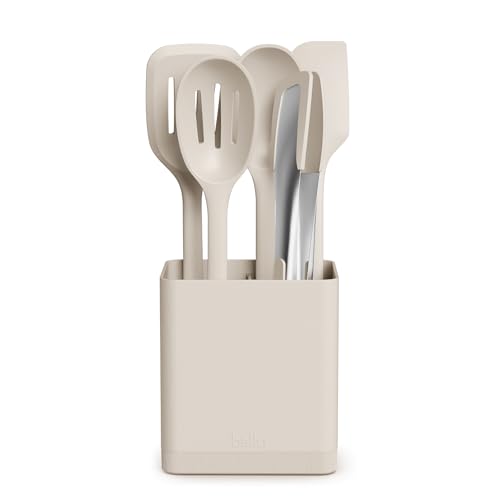
Creating a non-toxic kitchen is a good place to start because it's where you prepare, cook, and store food every day. The biggest considerations here are the materials that come into direct contact with your food, such as switching to the best non-toxic kitchen appliances and cookware, non-toxic kitchen utensils, and food storage containers.
Plastics containing substances such as BPA and phthalates, as well as damaged non-stick coatings that may contain PFAS, are common areas of concern, and understanding the common cookware labels and myths can make eliminating them simpler. Improving ventilation is also important, as cooking, especially on gas hobs or at high temperatures, can affect indoor air quality.
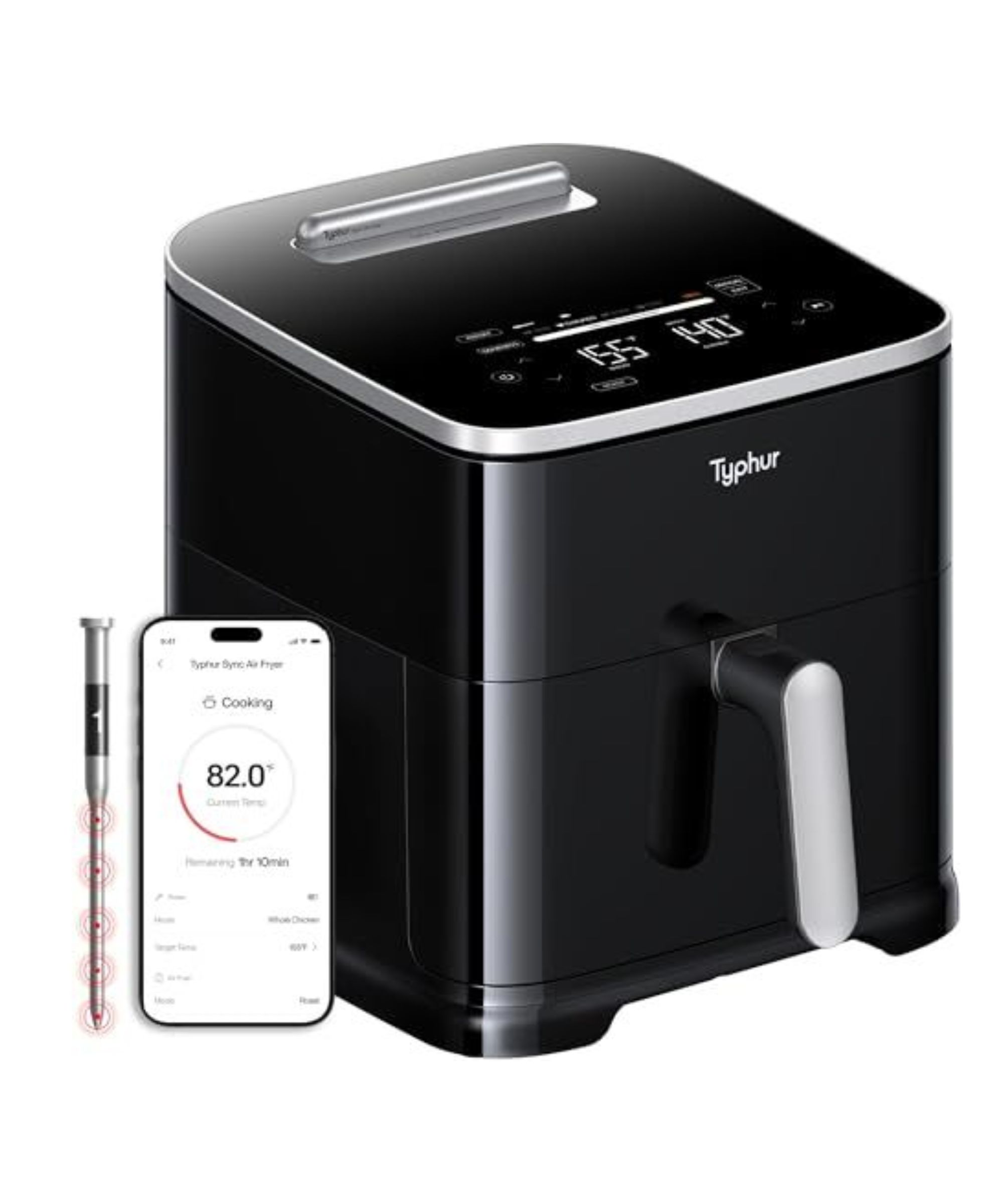
When upgrading your kitchen, focus first on the products you use every day. We recommend the non-toxic coffee makers and non-toxic air fryers as a good starting point.
Bedroom
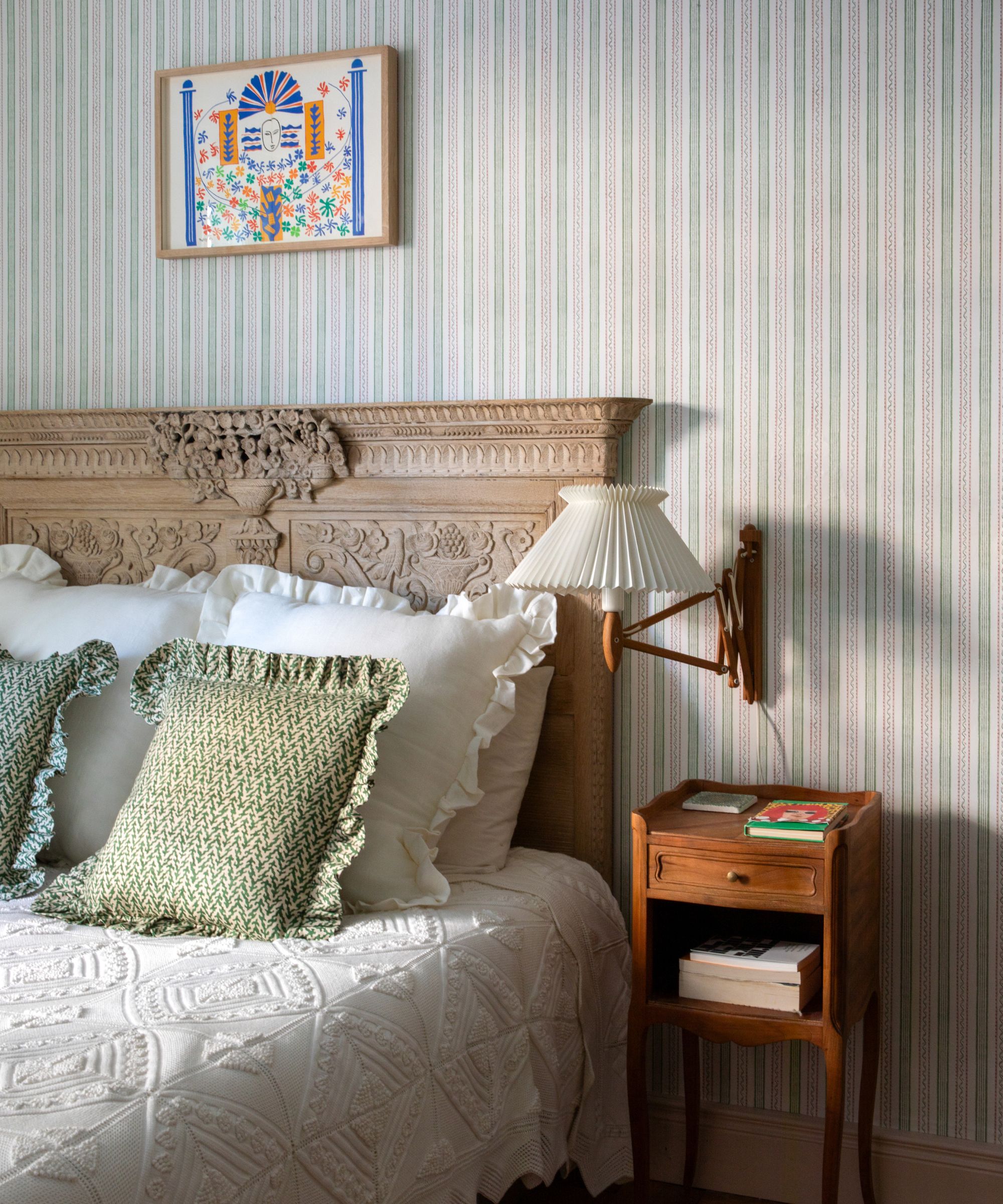
Because we spend around a third of our lives asleep, you should also prioritize making a bedroom non-toxic. Here, your focus should be on textiles and furnishings such as mattresses, pillows, bedding, rugs, and upholstered furniture, which can all contribute to indoor air quality through dust and harsh chemical coatings such as flame retardants. Heavily fragranced laundry products used for sheets can also play a part.
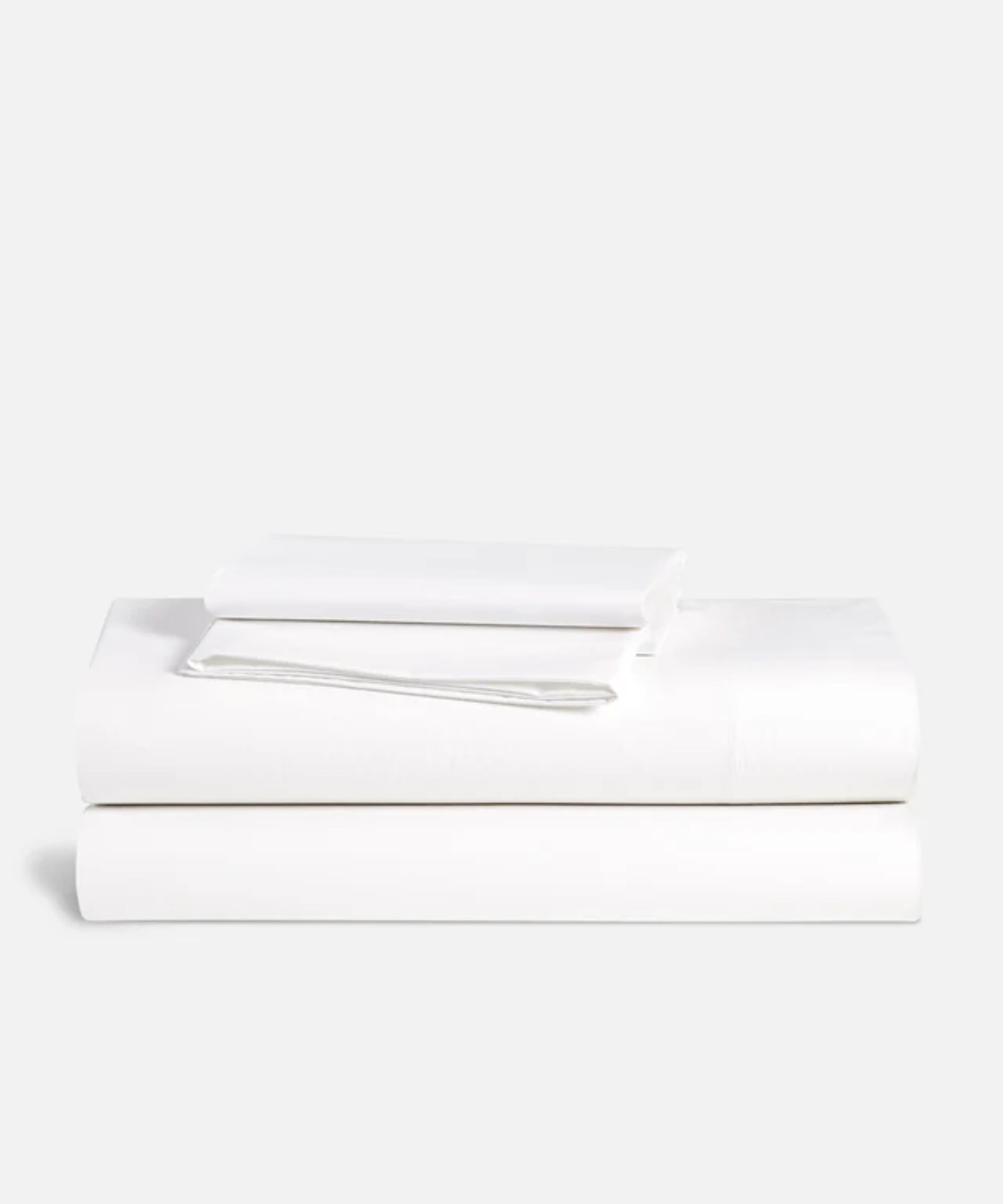
Rather than replacing everything at once, prioritise the products you're in closest contact with, such as choosing mattresses and organic bedding with trusted certifications such as GOTS, OEKO-TEX, GREENGUARD Gold, or MADE SAFE.
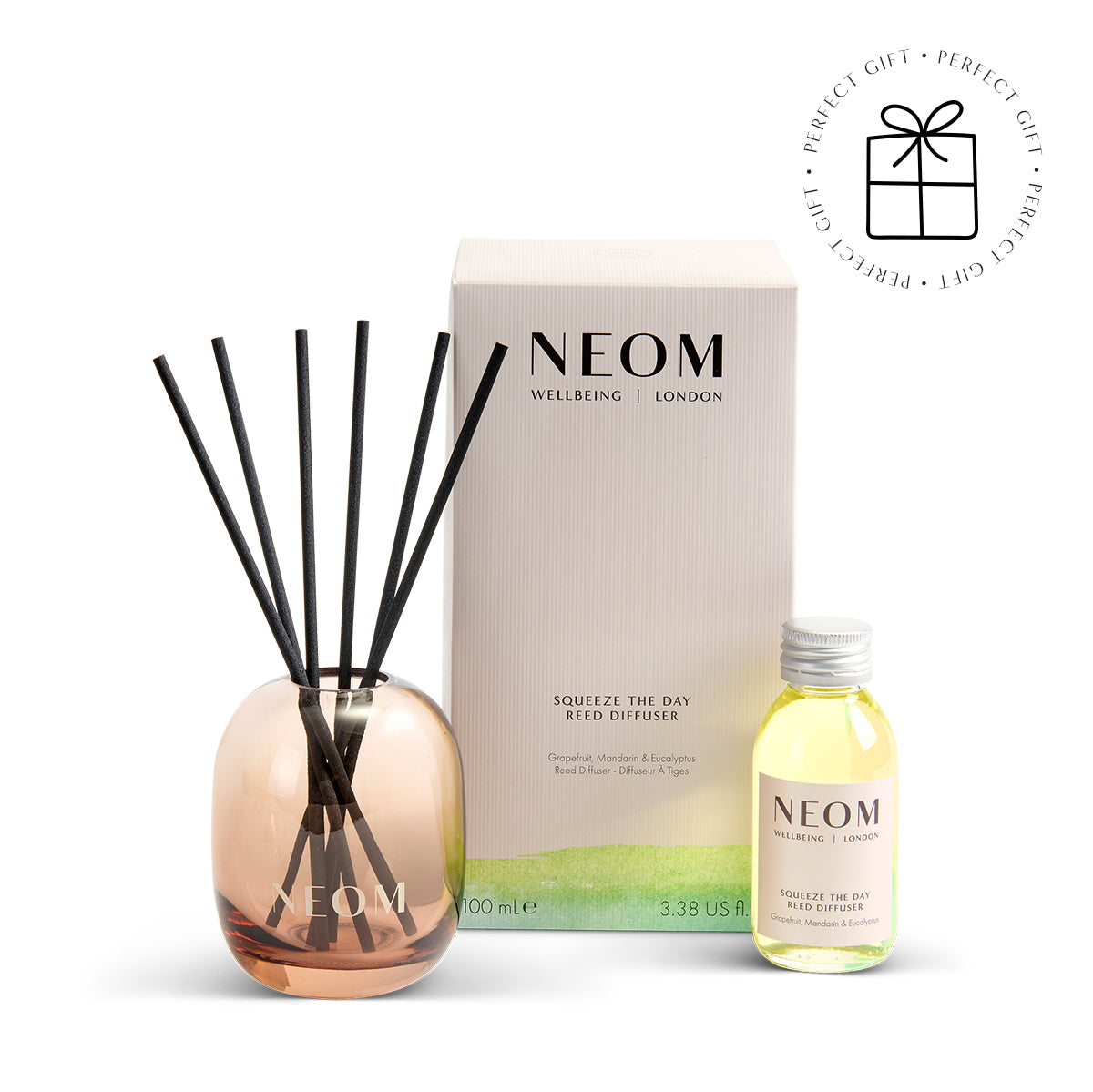
It is also wise to reduce synthetic fragrances by opting for non-toxic ways to make your home smell nice. Our sleep home fragrance expert, Ottilie Blackhall, has compared the best candles, oil diffusers, and reed diffusers to find the best scents without the exposure.
Bathroom
Bathrooms are hotspots for cleaning chemicals, moisture, and personal care products. For this reason, detoxifying a bathroom should be high on your list of priorities.
To make this more manageable, start by tackling poor ventilation, which can encourage mold growth and have a much greater impact on indoor air quality than many household products themselves. Be sure to also clean the bathroom regularly to remove and prevent mold growth. The best dehumidifiers can also help with this.
Then, look at the products you use every day, such as cleaners and soaps, and switch to fragrance-free cleaning and body care products, certified by the above accreditations, while reducing the use of aerosol sprays where possible.
Living Room
The living room tends to contain some of the largest upholstered items in the home, making it a key area to consider when furnishing or redecorating. Sofas, rugs, engineered wood furniture, and home fragrances can all influence indoor air quality, while household dust can collect particles released from furnishings and electronics over time.
The good news is that this is not a room that needs an immediate overhaul. Instead, replace furniture when you naturally come to decide to redecorate, or when they wear out, opting for lower-emission materials.
Cleaning and Decluttering
Non-toxic cleaning is a key area to consider when creating a healthier home, switching out products for safer choices, or making your own natural remedies.
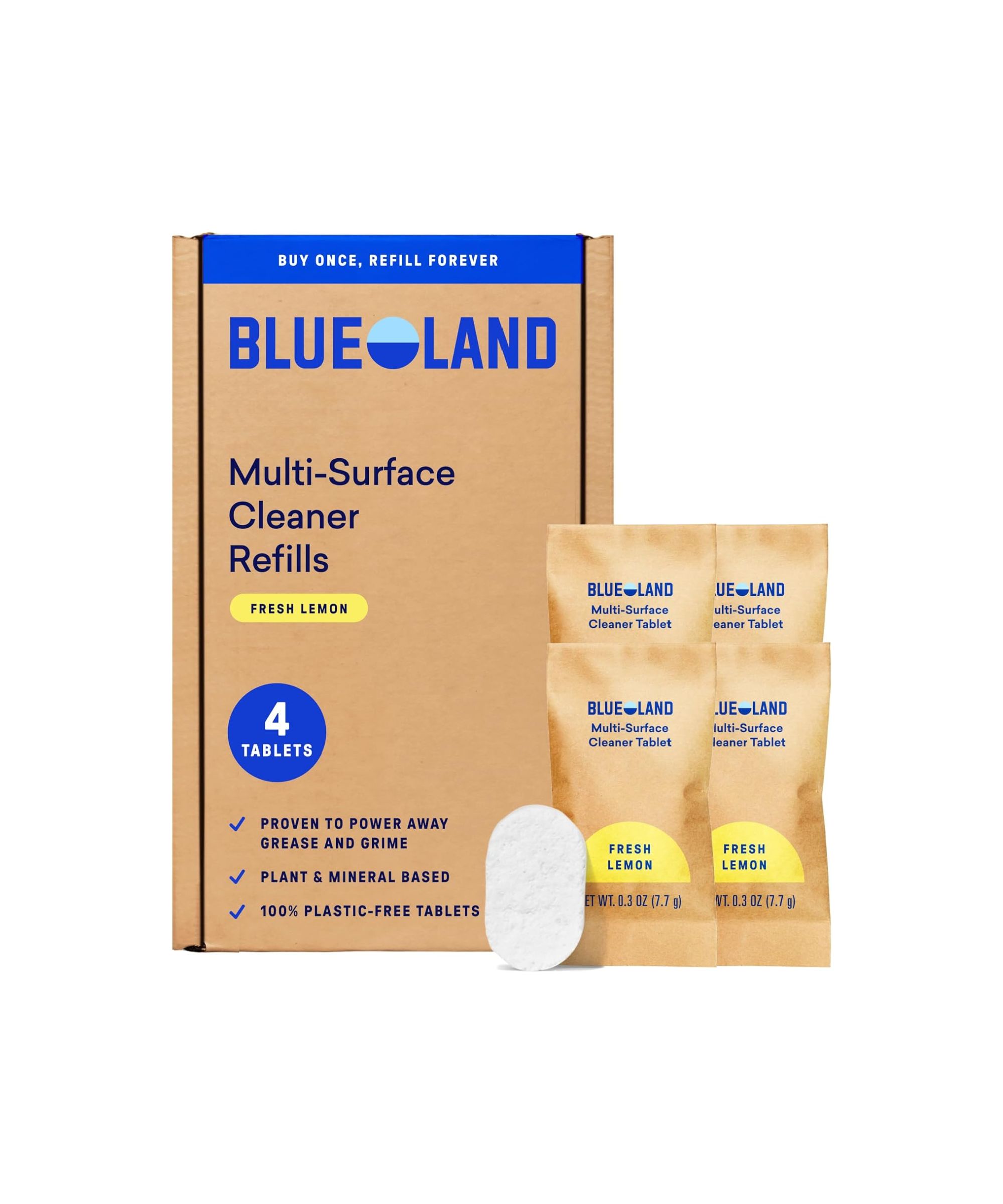
This can be one of the most overwhelming categories to overhaul, but you don't need to replace your entire cleaning cupboard overnight. Instead, start with the products you use most frequently, such as all-purpose cleaners, laundry detergents, and dish soaps, before considering occasional products.
The Garden
There are several reasons you should consider a non-toxic approach to gardening. Reduced reliance on harsh chemicals is better for your health, but it also has a knock-on effect for the wider environment, including plant and animal life.
To make the biggest change, we recommend reducing the use of synthetic pesticides, herbicides, and weed killers by using natural alternatives where possible. There are plenty of natural pest control methods that can prevent infestations, for example, leaving harsh chemicals to the use of experts.
You should also store fertilizers, pesticides, fuels, and other garden chemicals in safe backyard storage away from living areas, people, and pets/wildlife.
Using the 80/20 Rule
The 80/20 rule is a great method to help limit exposure sensibly, without feeling overwhelmed. The logic follows that swapping out just 20% of your most used items can affect 80% of your daily exposure.
For example, a new mattress, better kitchen ventilation, or swapping a handful of frequently used cleaning products will usually have a greater impact than replacing decorative items or rarely used household products. The small changes add up over time.
The goal isn't perfection. It is about practical changes to improve your home and your health over time.
Shop Our Non-Toxic Favorites
I have curated a selection of the best kitchen, cleaning, and bedroom swaps from our expert tried-and-tested guides to help you make progress with creating a non-toxic home.
All prices were correct at the time of publication.
Meet the Expert
Next, we suggest brushing up on how to organize your home with health and well-being in mind to lighten your mental load and create an easier-to-manage living space.
Love the latest product news and helpful shopping advice? Sign up for our newsletter and get the latest features delivered straight to your inbox.