Red rivers and vanishing icebergs: prize images focus on water
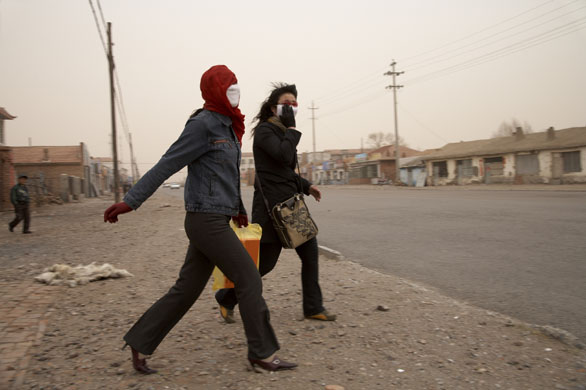
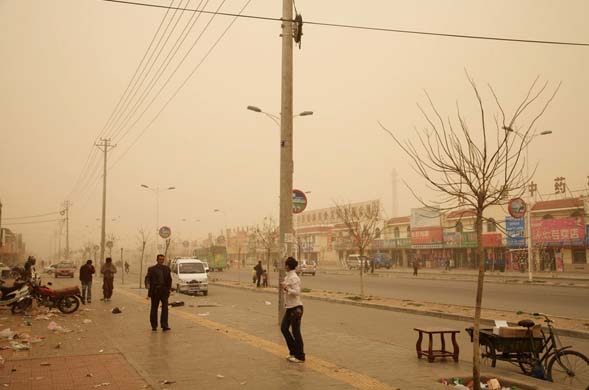
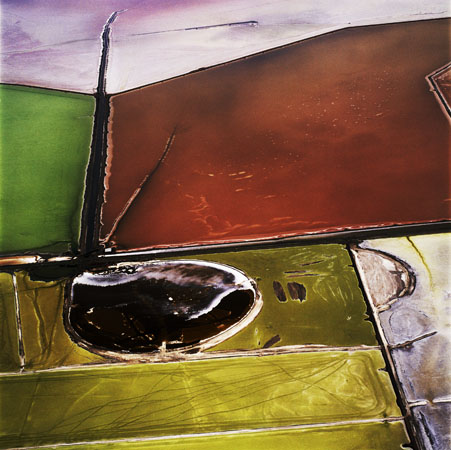
Sanggen Dalai, Inner Mongolia, China. Women flee the main street as dust fills the air. This shot is from Benoit Aquin's series, which has won the overall prize of £50,000. The Chinese Dust Bowl documents scarce water resources, desertification and ecological refugees in ChinaPhotograph: Benoit Aquin/Prix Pictet 2008Benoit Aquin, The Chinese 'Dust Bowl', Hongsibao, Ningxia, China, 2007. Some 22% of China's deserts are manmade because of soil erosion as a result of unsustainable farming practices Photograph: Benoit Aquin/Prix Pictet 2008David Maisel's Lake project series was shot at Owens Lake in California, the site of a river which was diverted to supply Los Angeles in 1913. By 1926 the lake was depleted exposing mineral flats which now contribute to carcinogenic dust stormsPhotograph: David Maisel/Prix Pictet 2008
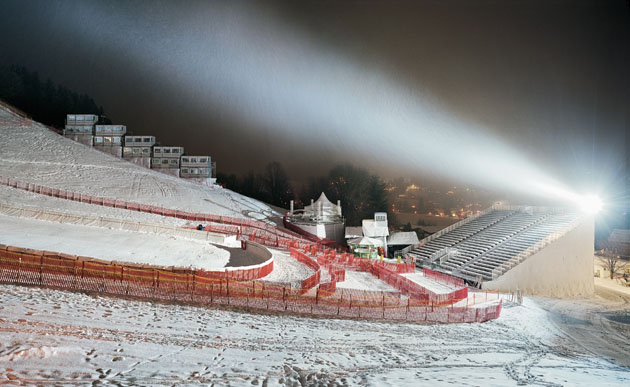
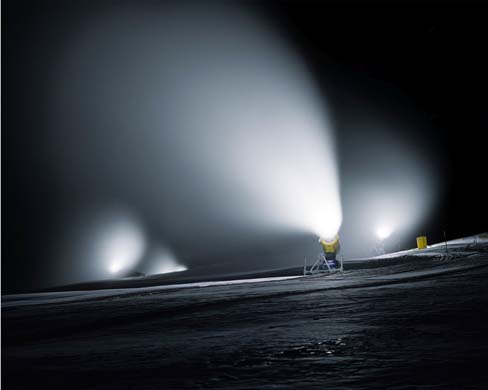
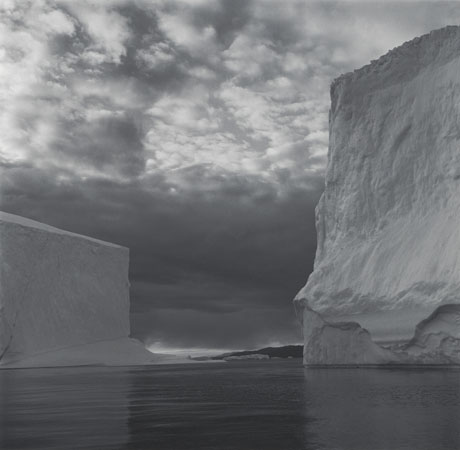
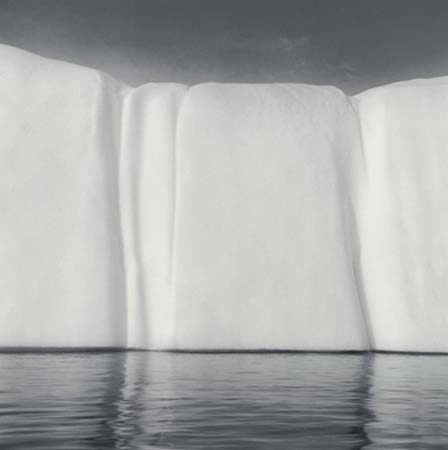
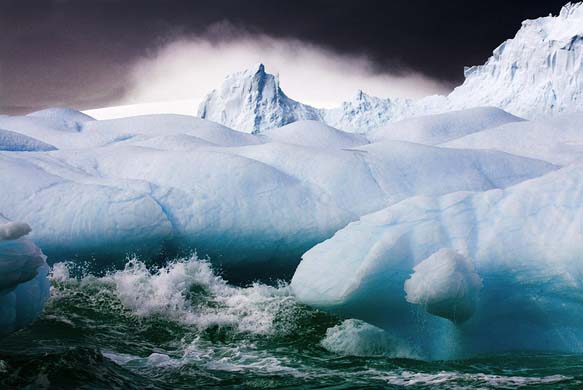
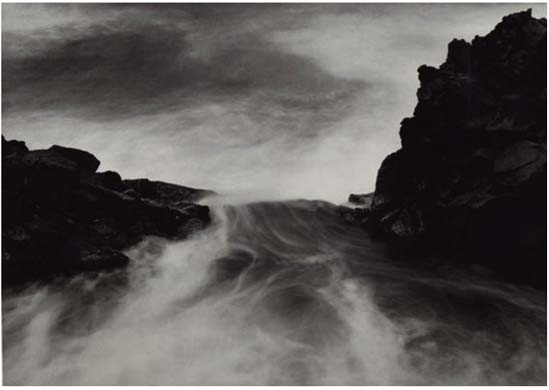
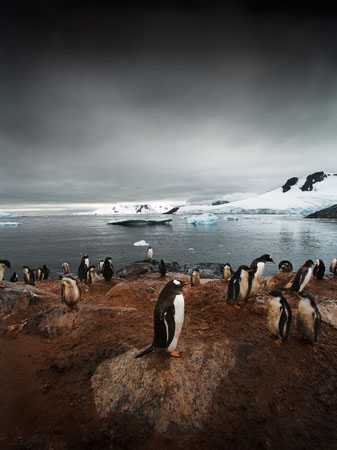
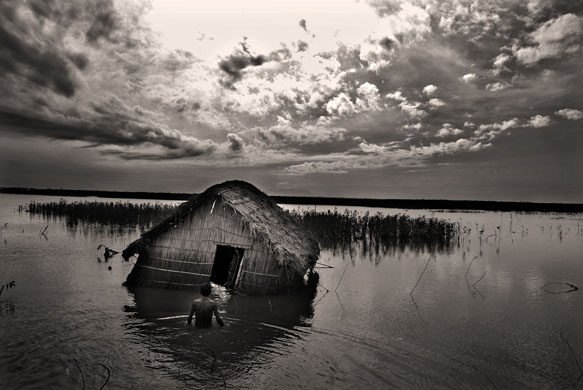
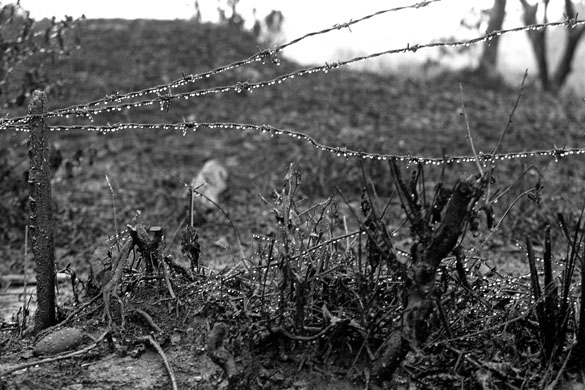
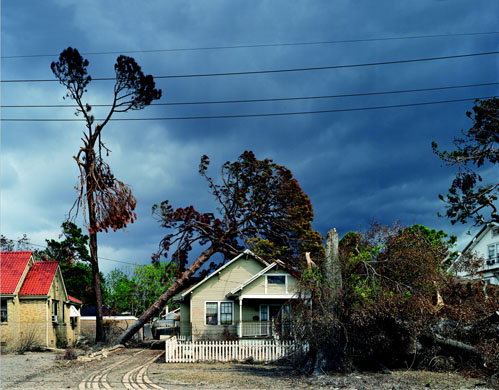
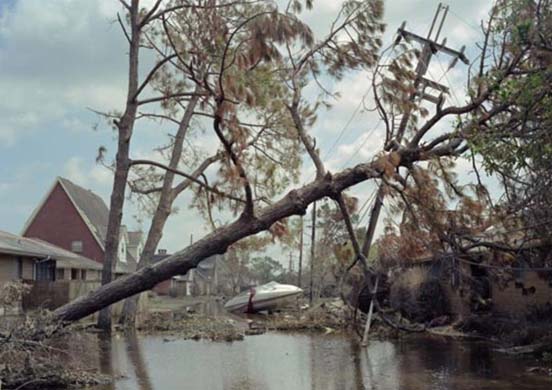
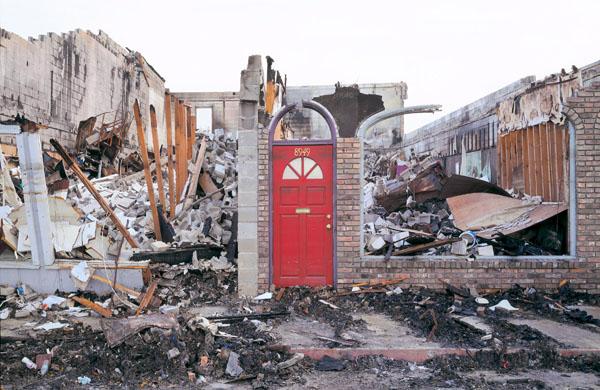
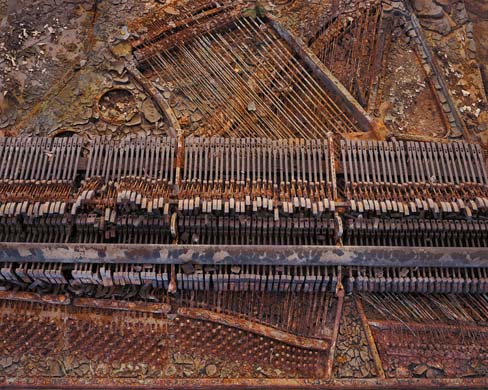
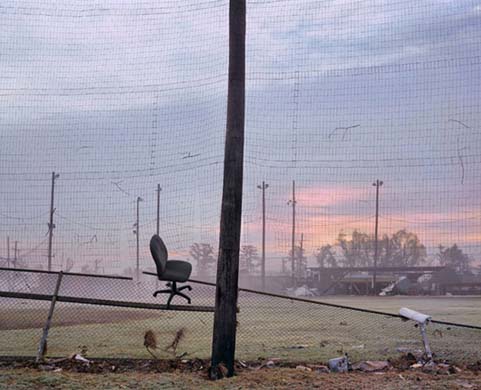
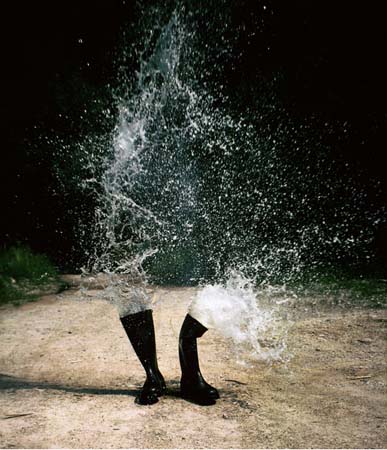
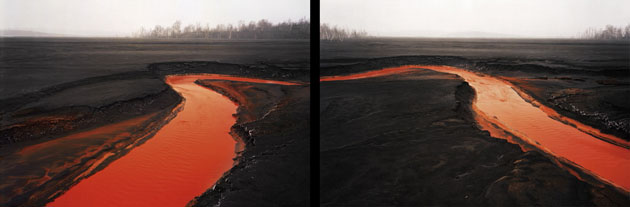
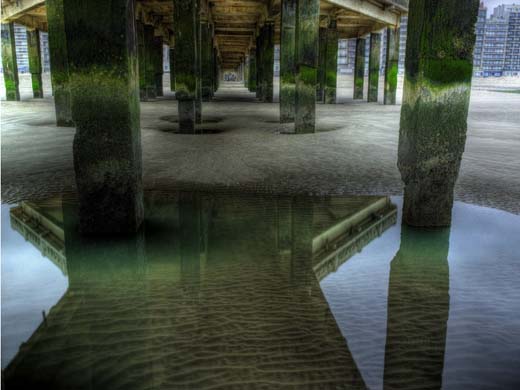
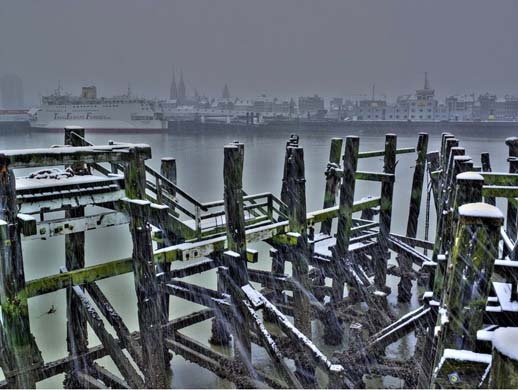
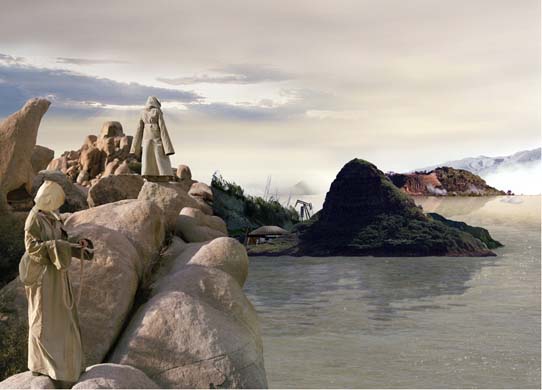
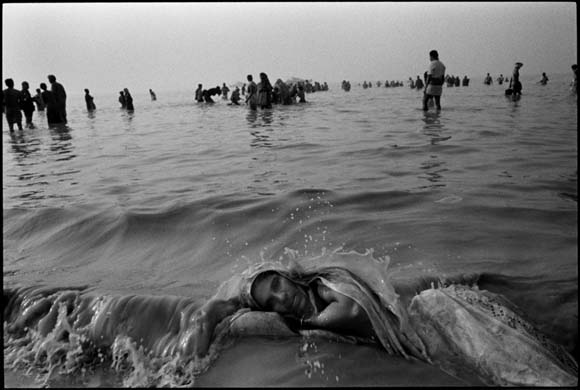
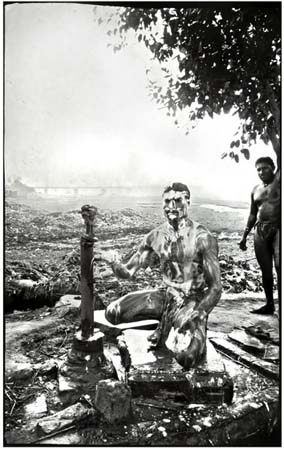
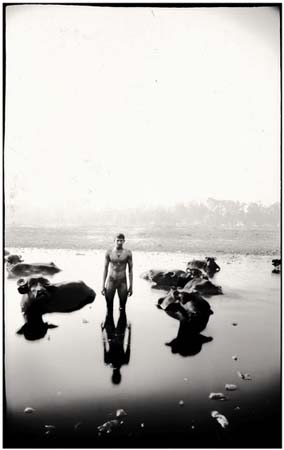
Kitzbühel, Austria. Jules Spinatsch's series, entitled Snow Management, documents the attempts by ski resorts to combat the effects of global warming and maintain the winter sports industryPhotograph: Jules Spinatsch/Prix Pictet 2008Jules Spinatsch: Scene J3, Davos, Switzerland, 2004 Photograph: Jules Spinatsch/PRCommissioned for the Eden project's education resource centre in Cornwall, Susan Derges's series of photographs shows the transformation of water within the hydrological cyclePhotograph: Susan Derges/Prix Pictet 2008Between 1986 and 2007 Lynn Davies travelled to Greenland to photograph icebergs calved from the Illulisat glacier. By 2007 many had diminished in size due to global warming Photograph: Lynn Davies/Prix Pictet, 2008Lynn Davis: Iceberg VI, Disko Bay, GreenlandPhotograph: Lynn Davis/PRSebastian Copeland: Stormy Weather. Series: Antarctica: The Global Warning Melchior Islands, Antarctica, 2006Photograph: Sebastian Copeland/PRThomas Joshua Cooper: Furthest North - The Mid North Atlantic Ocean, Faro de Alegranza, Punta Delgada, Spain, 2002. 'Water is an element that binds us all, a vital necessity, a force with the power of affecting life and death,' says CooperPhotograph: Thomas Joshua Cooper/PRIn 2006/07 onboard a research vessel, Sebastian Copeland recorded the accelerated devastation of the Antarctic ice shelf. His images capture the awesome beauty of Antarctica and document signs of the alarming changes that the continent is undergoingPhotograph: Sebastian Copeland/Prix Pictet 2008Munem Wasif's series - Water Tragedy - documents the climate refugees of Bangladesh, many of whom have done very little to contribute to greenhouse emissions, but who being forced to relocate due to too much or too little water caused by global warmingPhotograph: Munem Wasif/Prix Prictet 2008Jesús Abad Colorado, born in Colombia in 1967, is one of the few photojournalists documenting the armed conflict there. His shortlisted photos document the impact of war on the environment, and the devastation caused to Colombia's natural habitatsPhotograph: Jesus Abad Colorado/Prix Pictet 2008Sent to photograph the aftermath of Hurricane Katrina, Robert Polidori was met by a scene of devastation that exceeded his expectations, and he decided to follow the evolution of the recovery. He expected to document the rebuilding of the city, but after four visits it became apparent that this was not going to happen 'as the city's economy vanished with the resident evacuation'Photograph: Robert Polidori/Prix Pictet 2008Robert Polidori: Bellaire Drive, New Orleans, September 2005 Photograph: Robert Polidori/PRChris Jordan's series, In Katrina's wake: Portraits of Loss from an Unnatural Disaster, also pictured the desolation caused by Hurricane Katrina and aims to show that human activity leads to global warming, which then creates 'natural disasters' such as KatrinaPhotograph: Chris Jordan/Prix Pictet 2008Chris Jordan: Piano in a Church, Ninth Ward, New Orleans, 2005 Photograph: Chris Jordan/PRChris Jordan: Ball Field, St Bernard Parish, Louisiana, 2005 Photograph: Chris Jordan/PRRoman Signer: Wasserstiefel (Water boots), Weissbad, Switzerland, 1986Photograph: Roman Signer/PRFrom Edward Burtynsky's shortlisted series - Oil fields, Tailings and Three Gorges Dam. Each shows a landscape transformed by human industry. The idea that human survival rests on viable drinking water is a pivotal theme in these images. The industries shown are wasteful and contaminate surrounding water, highlighting the problem of unsustainable consumptionPhotograph: Edward Burtynsky/Prix Pictet 2008Carl De Keyzer: Belgium 1, Moments before the Flood, Blankenberge, Belgium, 2006. De Keyzer's images contain unease at a coming catastrophe as sea levels are predicted to rise, devastating the European coastlinePhotograph: Carl De Keyzer/PRCarl De Keyzer: Belgium 3, Moments before the Flood, Belgium, 2006Photograph: Carl De Keyzer/PRMary Mattingly travelled to drought or flood stricken areas to shoot her series, The ExpeditionPhotograph: Mary Mattingly/PRChristian Cravo: India, Sagar, Waters of Hope, Rivers of Tears India, 2002. Cravo's work examines the link between water and the divinePhotograph: Christian Cravo/PRMalcolm Hutcheson: Series: Lahore's Waste Water Problem Khuram Colony, Shahdara Town, Lahore, Pakistan, 2008 Rizwan Sadir, a wrestler and factory worker, showers from a hand pump next to the Ravi. Hand pumps are not deep enough to avoid the polluted waterPhotograph: Malcolm Hutcheson/PRMalcolm Hutcheson: Series: Lahore's Waste Water Problem Khuram Colony, Shahdara Town, Lahore, Pakistan, 2008 Erfan, 18 years, stands in a pool of waste water and sewage which collects in the dry river bed providing the only available water for buffalos to bathe inPhotograph: Malcolm Hutcheson/PR
Sign up to read this article
Read news from 100’s of titles, curated specifically for you.






.png?w=600)