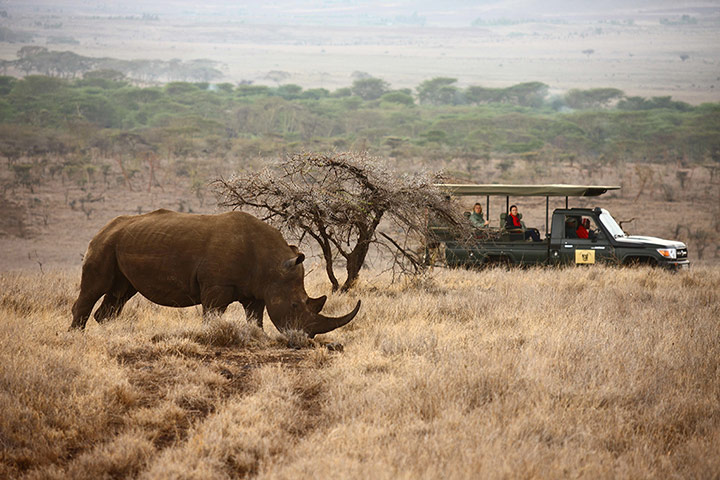
Cheli & Peacock Lewa Safari Camp invites its guests to sleep in a luxury safari tent on this private 26,300-hectare (65,000-acre) conservation area and enjoy day and evening game drives and bush walks with experienced resident guides. There’s plenty to see – this successful rhino sanctuary is home to 10% of Kenya’s black rhinos and the world’s largest population of Grévy zebra. Photograph: Thomson
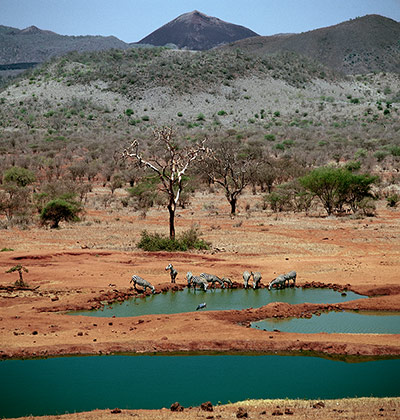
The Chyulu Hills are the youngest mountain range in the world, a dramatic volcanic landscape of conical mountains, underground caves and lush forests. Thanks to the numerous freshwater springs, there's plenty of wildlife here including black rhinoceros, lions, elephants and zebras – while Lake Jipe is a birdwatcher’s paradise. Photograph: Nigel Pavitt/AWL Images RM
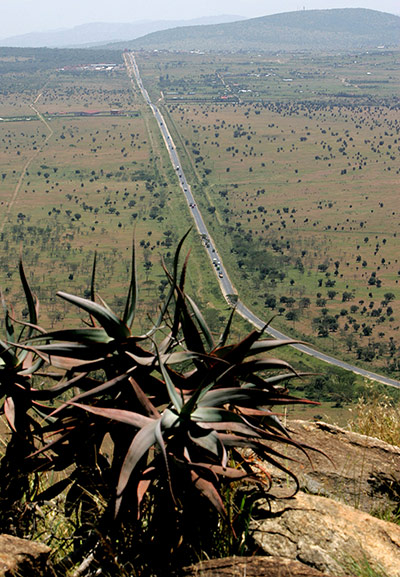
One of Africa’s most scenic drives, the Mombasa highway runs from Mombasa to Nairobi, passing through numerous wildlife-rich areas. Look out for zebras and elephants as you pass through Tsavo West and Tsavo East and keep your eyes peeled for Mount Kilimanjaro between the small settlements of Sultan Hamud and Kiboko. Photograph: KAREL PRINSLOO/AP
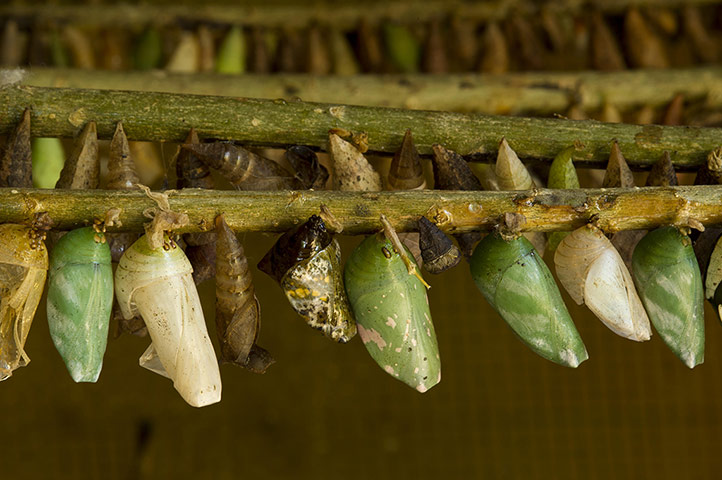
The Kipepeo Butterfly Project is a community-based enterprise that farms butterflies for export, providing a livelihood for people living around the Arabuko Sokoke forest. At the Gede ruins national monument you can see the beautiful butterflies and buy honey and silk cloth produced by the community. Photograph: www.alamy.com
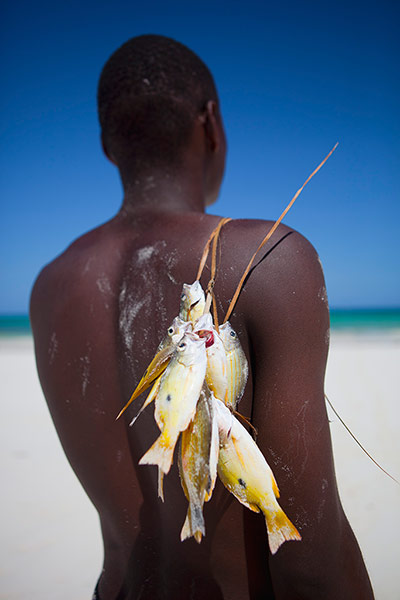
Thanks to the warm waters of the Indian Ocean, Kenya has some of the best deep-sea fishing in the world. Take a trip from Diani beach, passing through the reef to reach the deep water of the Pemba Channel, where black and blue marlin are plentiful. Photograph: Frederic Courbet/Corbis
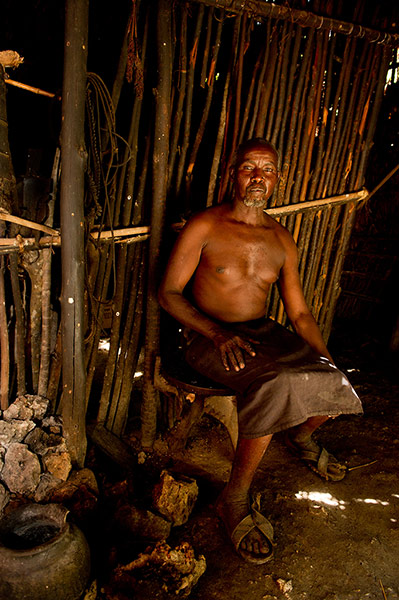
The Akamba (or Kamba) tribe are a Bantu ethnic group who live in Kenya’s eastern province. Visit one of the tribes here to learn about their ancient customs, to see a traditional Kamba dance and to discover why they are particularly known for their woodcarving and basket-weaving skills. Photograph: www.alamy.com
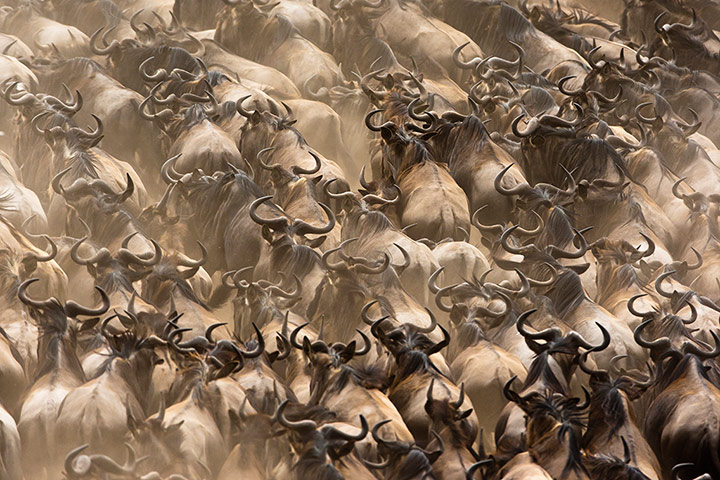
Once seen, the great migration is never forgotten – a seething mass of grey bodies filling the landscape and charging as one. Nowhere in the world is there a movement of animals as vast as this, with more than 2m animals migrating to the Masai Mara each year from the Serengeti national park further south between July and October. Photograph: Denis-Huot/Corbis
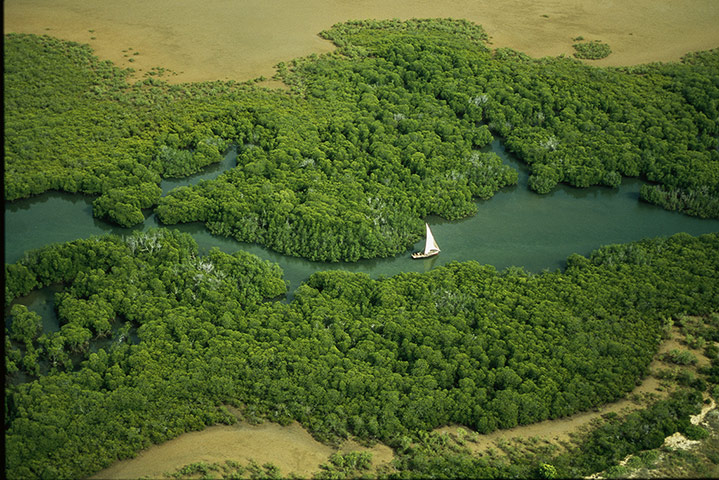
This series of islands in the Indian Ocean is an idyllic place to go sailing. Take a tour on a traditional dhow to see the abandoned trading post of Takwa, visit the reefs and secluded beaches, or simply watch the sun set over this beautifully unspoiled landscape. Photograph: Bobby Haas/National Geographic Creative
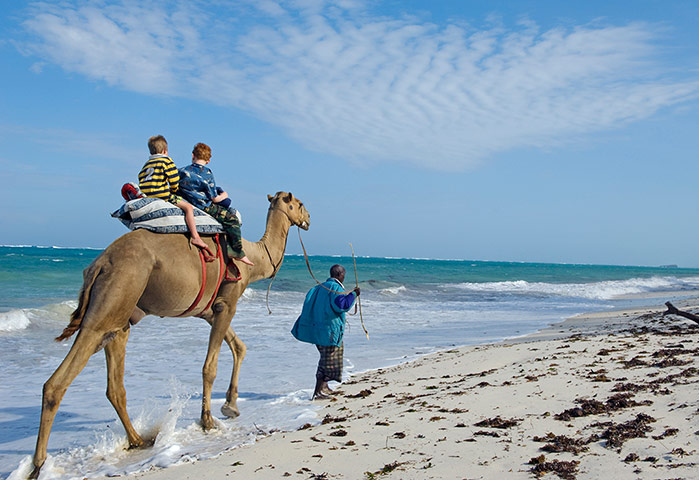
This marine conservation organisation saves hundreds of sea turtles every year that have been trapped in local fishermen's nets. Visit its sea turtle hospital for close encounters with the rescued turtles and to find out how Turtle Watch cares for them and then releases them back into the wild. Photograph: John Warburton-Lee
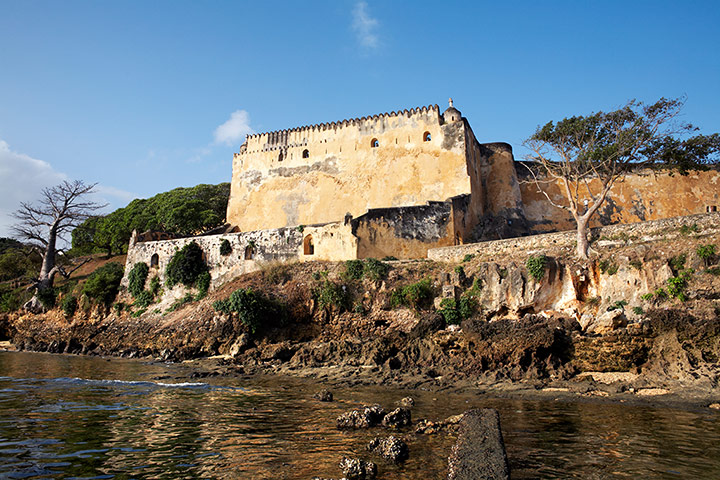
This imposing fort was built in 1591 by the Portuguese to guard the old port of Mombasa. It was designated a world heritage site in 2011 for its outstandingly well-preserved military fortifications and is today home to a fascinating museum of archaeological artefacts from around the area. Photograph: Andrew McConnell/Robert Harding World Imagery
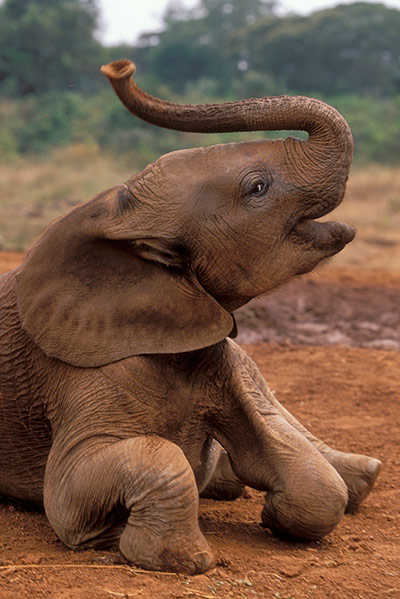
Visit this wildlife conservation’s elephant orphanage in Nairobi to see first-hand how the rescued, orphaned elephants are hand-reared by Dame Daphne Sheldrick and her daughters. More than 140 African elephants have been successfully reared here since 1987 and seeing the latest intake slurp their milk and interact with their keepers is a heartwarming experience. Photograph: Gerry Ellis/ Globio/Minden Pictures RM
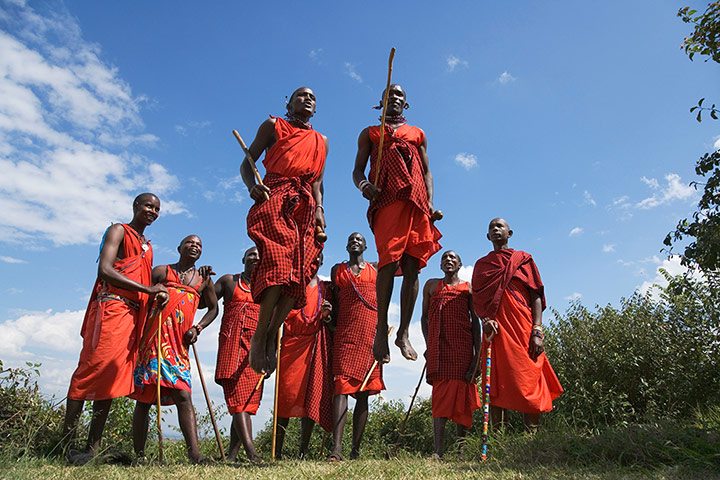
This is probably one of Africa’s most iconic images – a group of red-robed tribesmen clutching wooden poles and jumping into the air again and again. But the “jumping dance” or “adamu” is not merely a spectacle: it is designed to demonstrate each man’s strength and stamina as a tribal warrior. Photograph: Keren Su/Corbis