

I may be a little biased as Ideal Home’s Air Quality expert, but I think these handy appliances should be a staple in every home. They’re key to creating and maintaining a healthy home environment, and they’re extremely easy to use. But one thing that is difficult is figuring out how many air purifiers you need.
With the ability to remove pollutants from the air, the best air purifiers are ideal for reducing allergies, neutralising odours, and removing everything from smoke to VOCs from the air. But do you need an air purifier for each room? Or will one single appliance cover your entire home? Well, there’s no easy answer to that.
Figuring out how many air purifiers you need depends on various factors, which is why it’s important to ask yourself the following questions.
1. How big is your house?
Air purifiers aren’t a one-size-fits-all appliance, as each machine is designed to purify a specific volume of air in m². Those with a max room size of 40m² are perfect for small room living rooms or bedrooms, anything under 100m² will suit a medium-sized room or open-plan living and dining room, and those over 100m² could work wonders for those looking to purify multiple rooms at once.
You can find the recommended room size for an air purifier in the appliance’s specifications, which is a great indicator of how many air purifiers you’ll need. But that’s not all you need to look out for, as it’s also a good idea to consider the CADR (Clean Air Delivery Rate) when assessing your home.
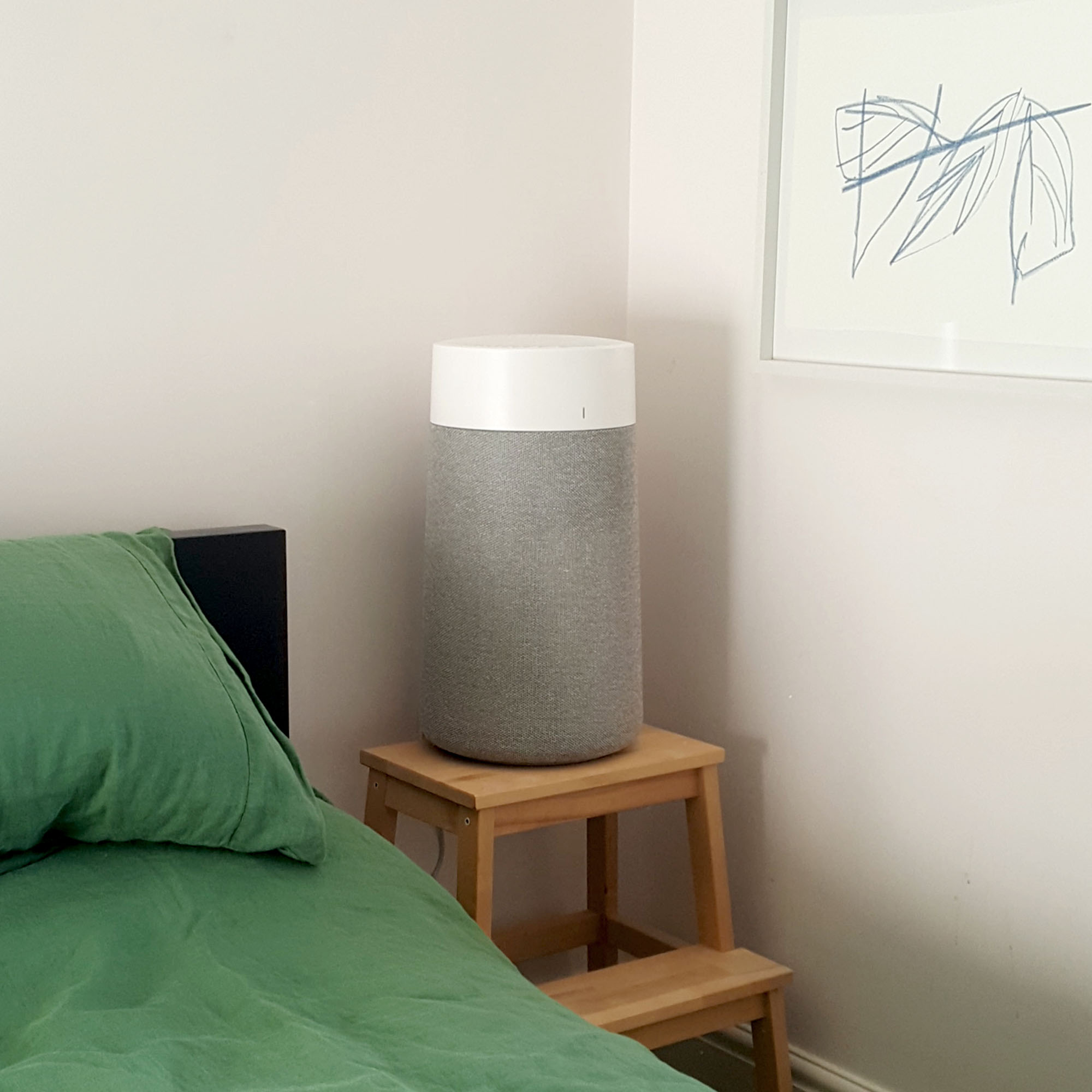
Lars Dunberger, Technology Development Manager for B Corp air purifier experts, Blueair, explains, ‘An air purifier is designed to purify a certain amount of air per hour. This Clean Air Delivery Rate is where you start: the bigger the room, the larger air purifier you will need. For best results, an air purifier should have the capacity to provide five changes of air per hour. Of course, you can oversize your air purifier a bit, but you should avoid under-sizing it.
Just remember that if you choose the wrong size air purifier, it will undoubtedly affect whether an air purifier is worth it - as you won’t be able to feel the benefits as much. So, make sure you understand the size of your home (or at least the space where you want to use your air purifier) and take a look at the CADR, too.
2. How is your house laid out?
While understanding your house's size is key to determining how many air purifiers you need, it’s not the only factor to consider. You also need to think about how your house is laid out, as air purifiers in open-plan and higgledy-piggledy houses will work very differently. In fact, your home’s layout could be one reason your air purifier isn’t working properly.
This is echoed by Johnny Liang, Air Purifier Specialist at Levoit. ‘Based on Levoit’s market research and airflow simulations, relying on one high-CADR purifier often isn’t ideal for multi-room or open-plan homes. Walls, furniture, and layout can disrupt airflow and create areas where air isn’t effectively cleaned,’ he explains.
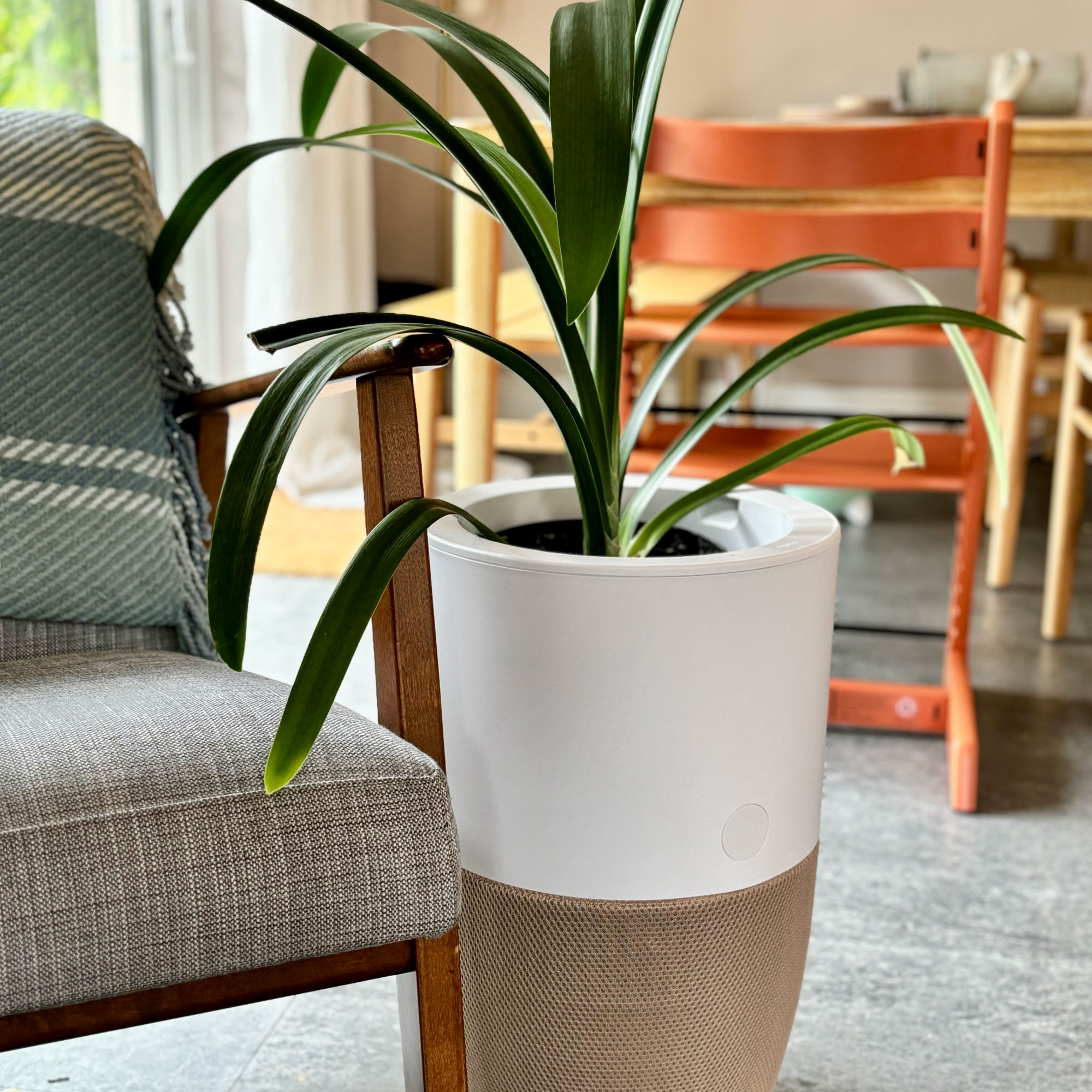
Of course, every house is different, so it’s worth taking a step back and assessing - realistically - how many you think you’d need. To help, Johnny suggests targeting pollution at the source. He says, ‘Air purifiers work best when placed near where pollutants enter or originate, such as near windows during pollen season, close to pet areas, or near kitchen entrances.’
The rooms you’re targeting are also key here - especially if you’re using an air purifier at night and in the bedroom. In this case, it’s best to opt for an air purifier that’s quiet and offers a ‘Sleep’ mode to reduce any potential distractions.
3. Do you have animals?
While our pets are like family, they can wreak havoc on our air quality. They’re constantly shedding dead skin cells and bringing outside dust and dirt inside, and getting rid of pet dander can be extremely difficult without something helping you out. And an air purifier can do just that.
So, if you have animals - or someone in your family has a pet allergy - it may be that you need to add more air purifiers into the mix. Not only will they work harder to remove these pollutants and even odours, but they can also follow your pet from room to room to ensure your entire house is covered.
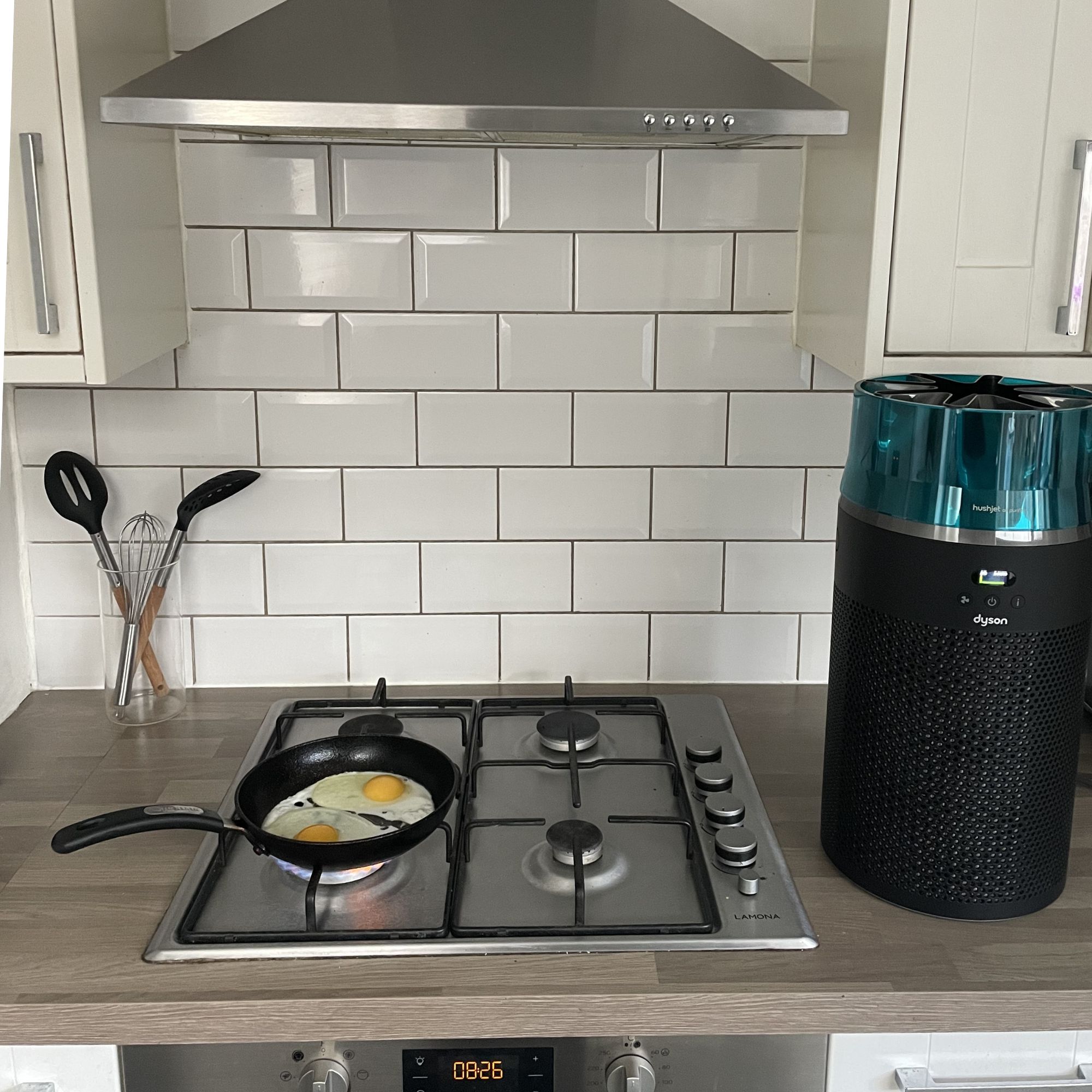
Either that, or you should opt for a machine that has a higher CADR number, which will purify a larger area of your house. For those with pets, it’s also worth understanding which type of air purifier is right for you. In this case, it’s best to opt for one with a high-quality HEPA filter and an activated carbon filter to combat smells.
All of this information should be available in the product's specs. But, generally, those with animals in their home should opt for smaller air purifiers in each room their pet spends a lot of time in - rather than opting for one larger air purifier.
4. How many people live in your house?
The general rule of thumb is that the more people who live in your house, the more contaminants and airborne pollution will fill the air. And this can be especially difficult for members of your household who suffer from allergies or asthma. So, it may work in your favour to have an air purifier in multiple rooms of the house.
The key here is to consider your needs and the level of protection you want your home to have. If you want your entire family to sleep better at night, it’s well worth putting smaller air purifiers in each bedroom - and then using a larger air purifier to cover the main shared spaces like the living room and kitchen.
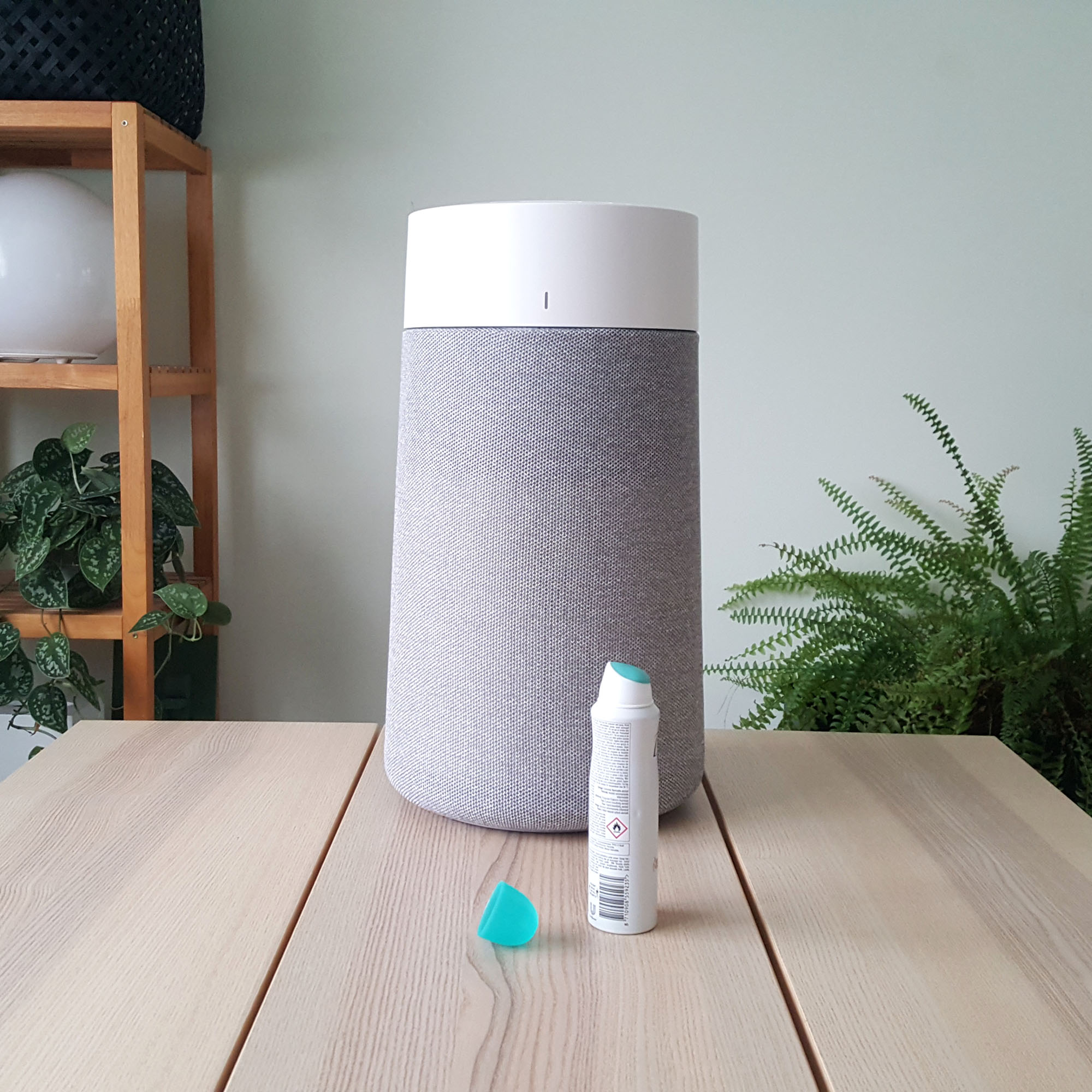
If that’s not required, however, simply covering the main communal spaces should be enough. But just be warned of the cost to run an air purifier, as running multiple models at the same time will undoubtedly add to your energy bills.
Lars agrees, saying, ‘Your air purifier will be on for long periods of time, and perhaps even 24/7, so it’s important that it’s energy efficient, especially in the current climate.’ You can check this via the voltage in the product specification.
5. How much do you want to spend?
While air purifiers are much more readily available - and therefore much more affordable - in today’s modern age, there’s no denying that they’re still an investment. This is especially true if you opt for a high-quality air purifier, and they can set you back from £100 to over £500.
In most cases, the cheapest air purifiers are smaller machines that will ultimately purify smaller areas of the home - but just be wary of those that are too cheap, as this is typically an indicator that they aren’t equipped with a HEPA filter and therefore won’t be as effective.
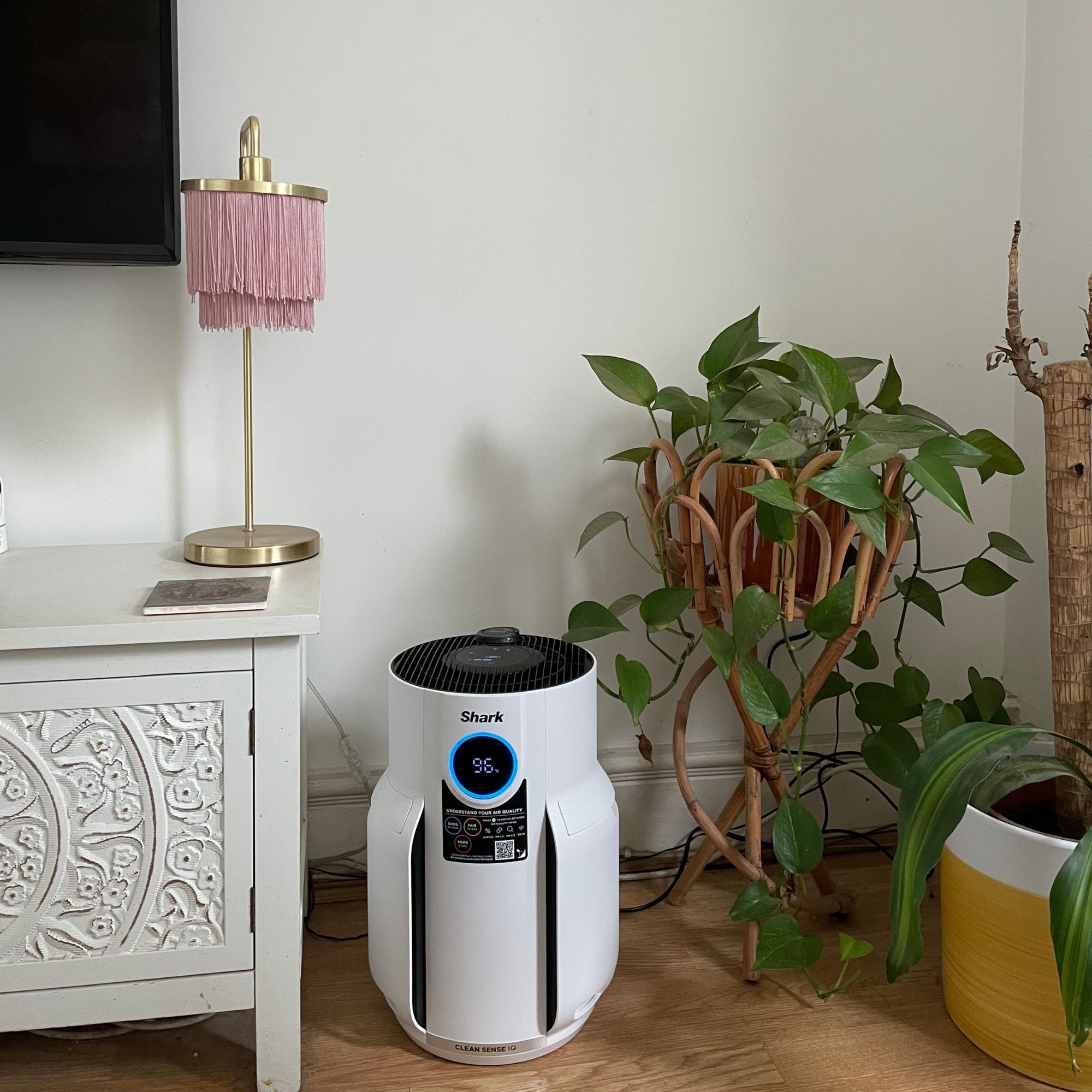
Larger air purifiers will undoubtedly cost you more, so it’s best to keep your eyes peeled for air purifier deals. While you’re doing that, it’s also a good idea to take note of the price of replacement filters - and how often you’ll need to do this, as this is another cost you need to factor in.
If you're on a budget, the smartest move, in my opinion, would be to opt for a small-but-powerful air purifier that will suit the room you use most. Then, you can move it around your home as and when it’s needed.
Crowned the 'best overall' air purifier we've tested, this model is suitable for spaces up to 48m² and comes complete with an impressive HEPA filter that filters out 99.97% of airborne particles down to 0.1 microns in size.
For larger spaces, this Dyson air purifier can purify up to 70 litres of air every second in spaces up to 100 m². The star-shaped nozzle aids the projection of fresh air into the space - and it looks pretty stylish, too.
Ideal for odours, this air purifier not only helps to remove odours from the air, but it also comes equipped with a Anti-Odour cartridge that releases a fresh scent at the same time.
FAQs
How do I know what kind of air purifier I need?
The best way to know what kind of air purifier you need is first to assess your air quality. You can buy air quality monitors on Amazon from £30, they have sensors that can provide you with information about the contaminants in the air, as well as measure the number of airborne particles and your home’s radon levels.
From there, you can choose an air purifier that suits the size of your home and has a CADR rate (Clean Air Delivery Rate) that will leave your air cleaner than ever.
Is it better to have two small air purifiers or one big one?
As well as purifying the air, air purifiers also work on re-circulating this clean air - which can be difficult if you have an unusually-shaped room.
If you have a simple rectangular room or house, one big air purifier is better. If you have a room or house with a complicated shape that could impact air circulation, opt for two smaller ones.