Great Expectations: manuscript of Dickens's genius - in pictures
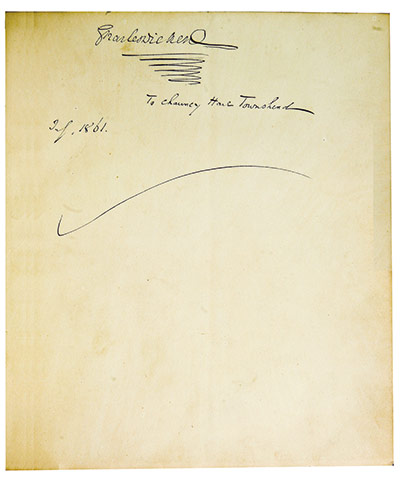
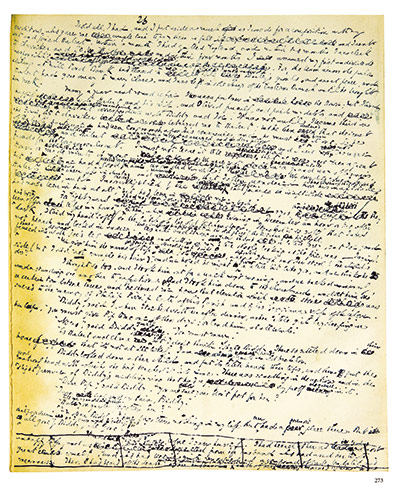
Chauncy Hare Townshend (1798–1868), to whom the manuscript is dedicated, was a friend who shared Dickens's interest in mesmerism and the occult. He left the manuscript, along with the crystal ball with which he and Dickens experimented, and many other books and artefacts, to the Wisbech and Fenland MuseumPhotograph: Cambridge University PressThe first page of the text shows how Dickens was constantly revising his work: in the famous opening line, ‘My father’s family name being Pirrip, and my christian name Philip ...', ‘infant’ is written above a crossed-out word – ‘childish’, perhaps? Such changes throughout the manuscript must have made the task of the printer’s compositor a difficult onePhotograph: bbrewer/Cambridge University PressPage 273 of our edition has the last few lines firmly deleted. Dickens had planned a sad ending for the story – Pip and Estella part for ever – but Edward Bulwer Lytton persuaded him to be more up-beat, and this is the point at which the change took place. Unfortunately, the rest of the manuscript pages of the original ending have not survivedPhotograph: Cambridge University Press
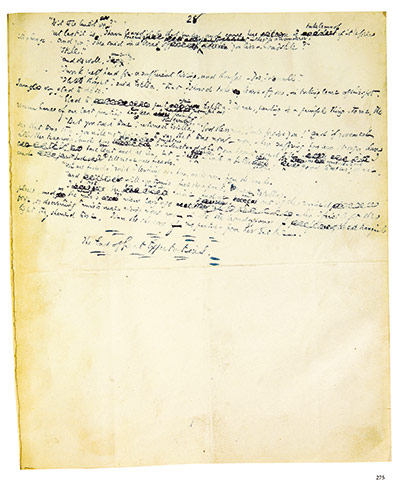
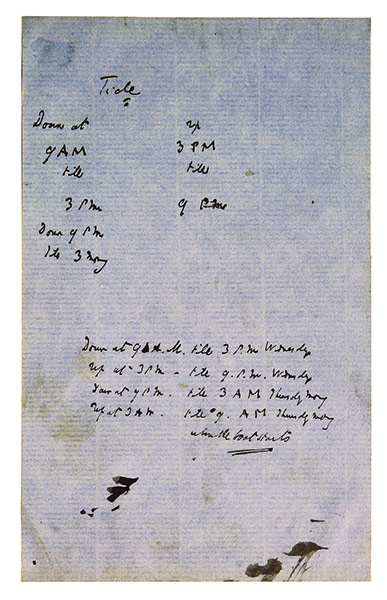
The final page of the manuscript, with the ‘happy’ ending – except that Dickens subsequently deleted the last two words: here he wrote ‘ … I saw the shadow of no parting from her but one’, but in the serialization and the book, the words ‘but one’ have been omittedPhotograph: Cambridge University PressThe last page bound into the manuscript shows Dickens’s notes on tide times in the Thames estuary, a vital part of the plan to help Magwitch escape at the end of the novel. The previous page has notes on dates and the ages of some of the characters at different times in the storyPhotograph: Cambridge University Press
Sign up to read this article
Read news from 100’s of titles, curated specifically for you.