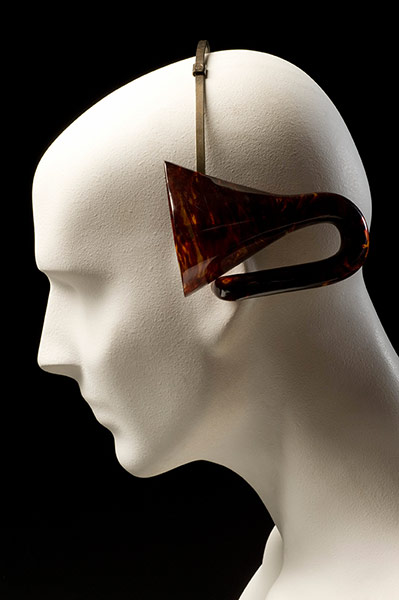
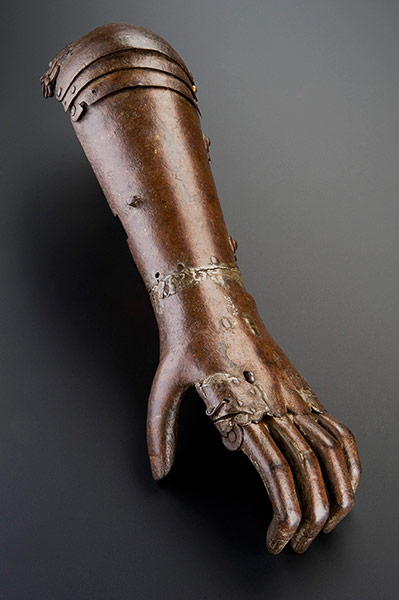
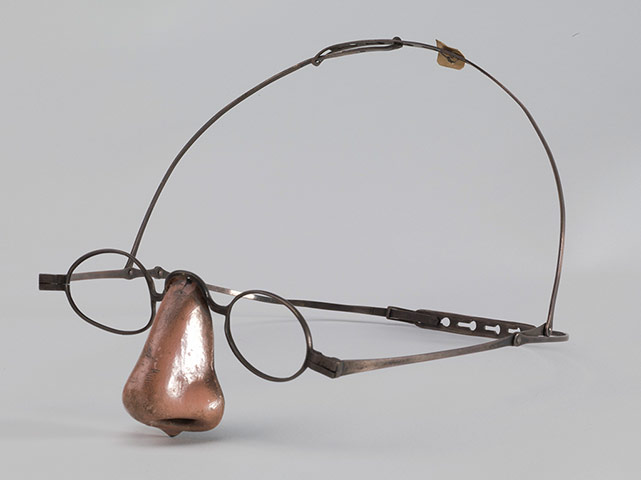
The acoustic headband, a doubled-up gramophone ear trumpet, 1901-30. Believe it or not, these headbands were designed to be concealed within a large hat or a big hairdoPhotograph: Science Museum, LondonAn early example of prosthetics: an artificial arm made of iron, from around 1560-1600. Around this time, prosthetic arms were often fitted to knights so they could hold up shields in battle, rather than to assist in everyday lifePhotograph: Science Museum, LondonA silver prosthetic nose from the mid-19th century. Syphilis caused the destruction of the nose, which gave rise to 18th-century 'No-nose clubs'. This one was worn by a woman who had lost hers to the diseasePhotograph: Hunterian Museum at the Royal College of Surgeons
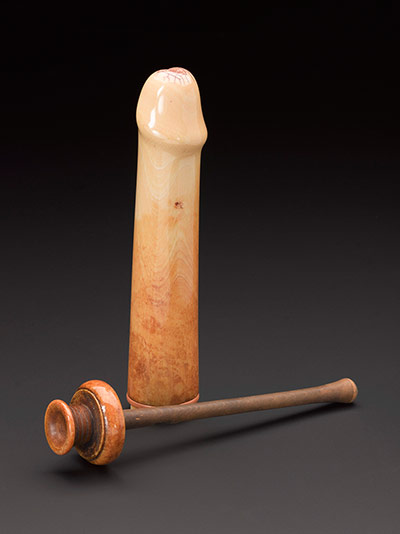
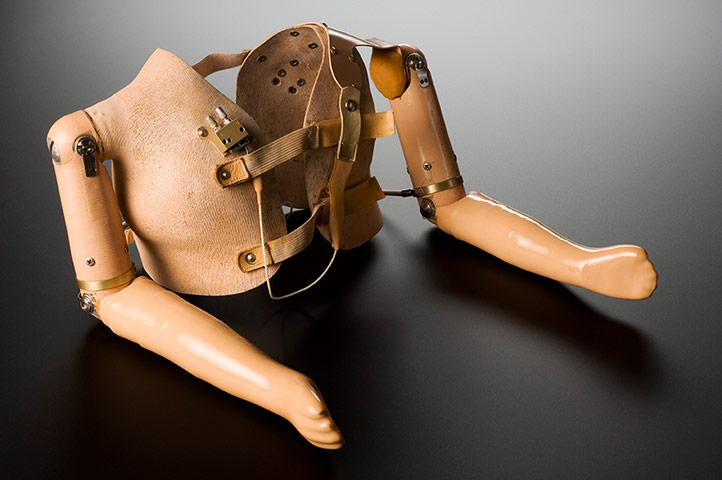
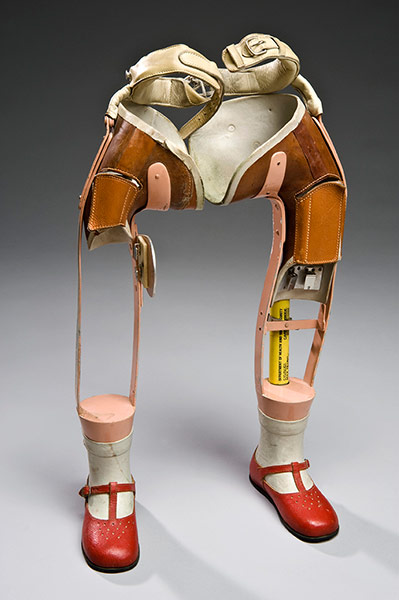
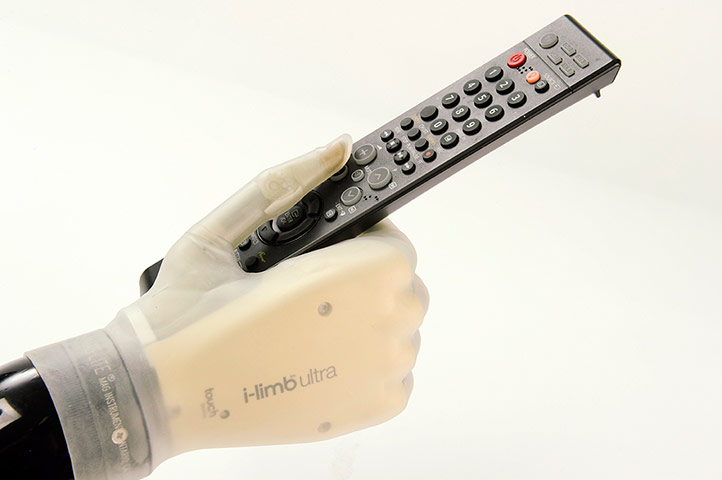
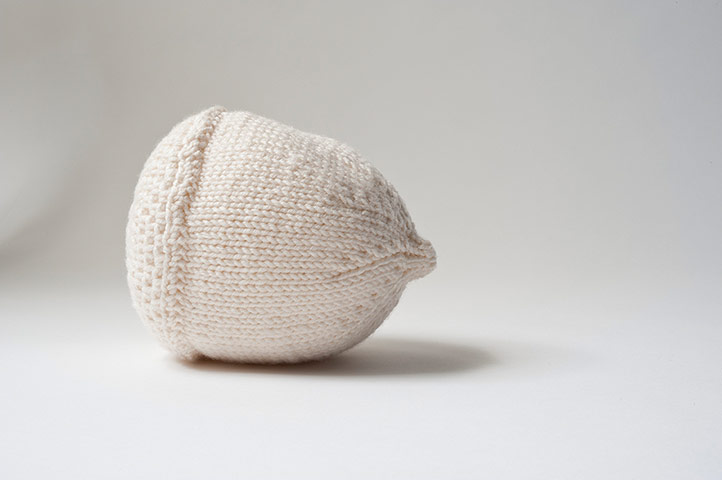
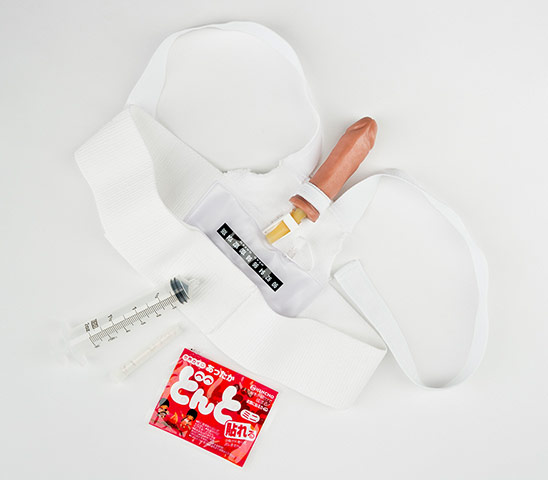
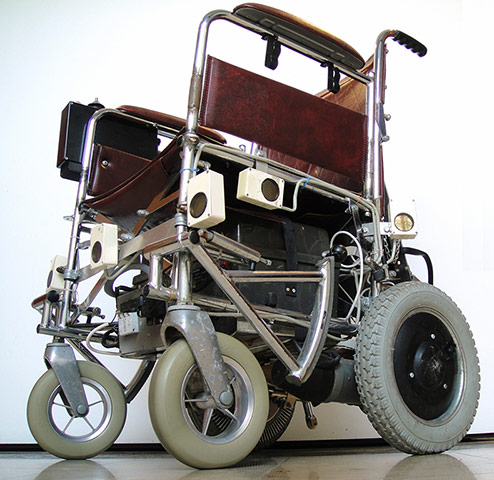
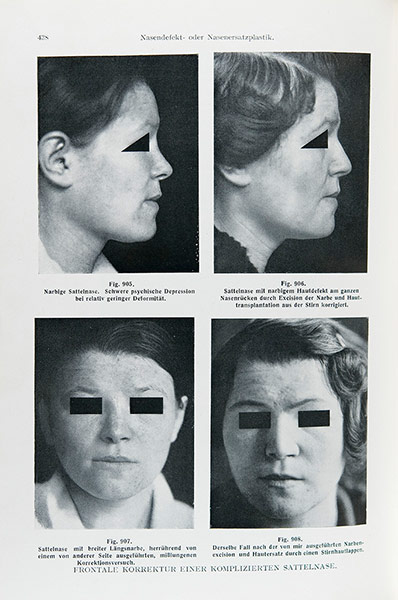
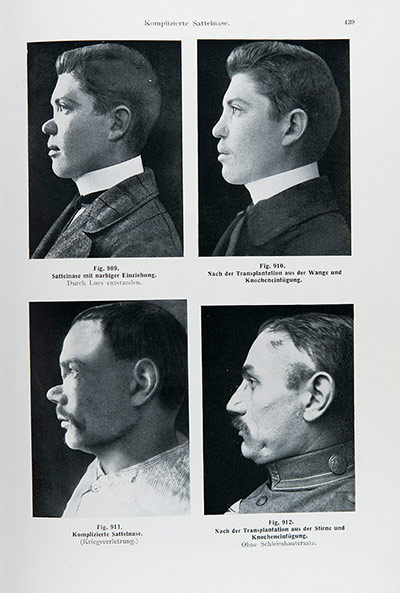
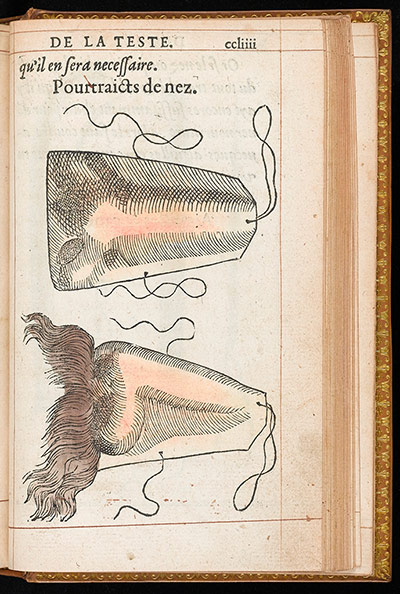
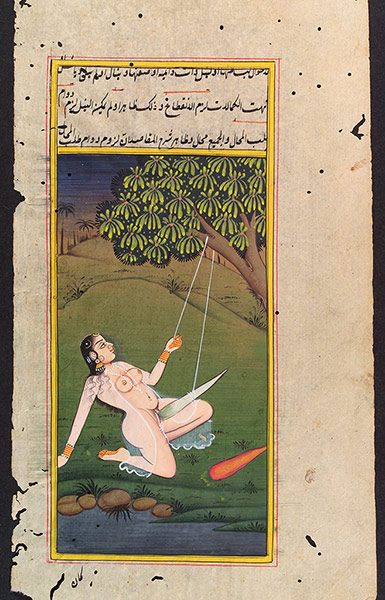
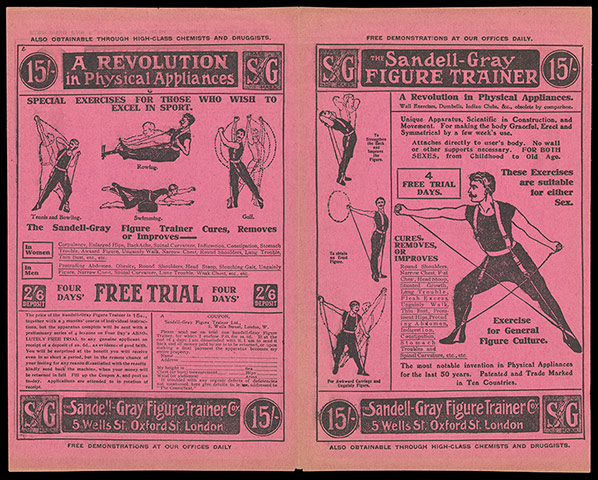
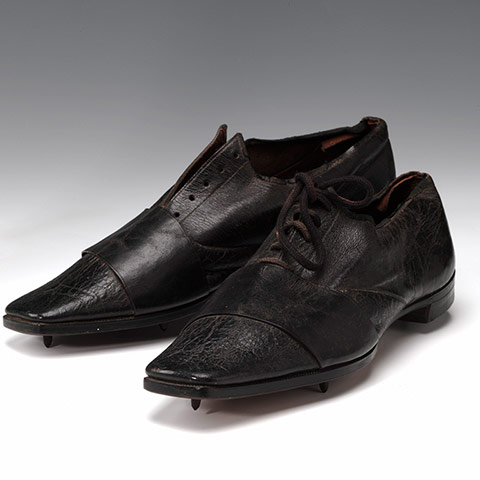
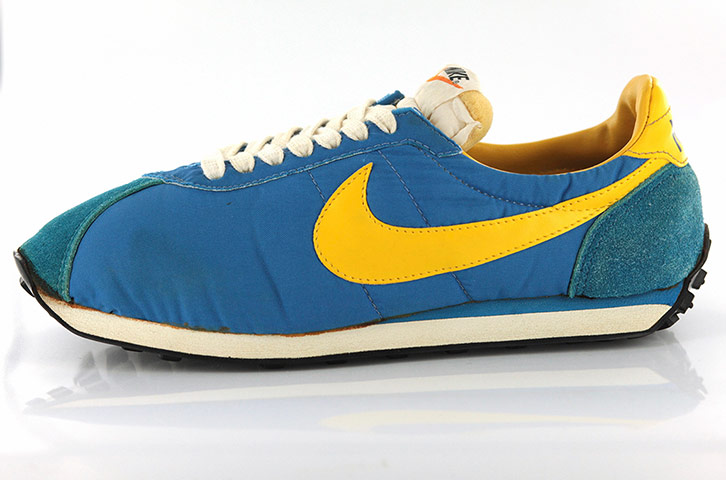
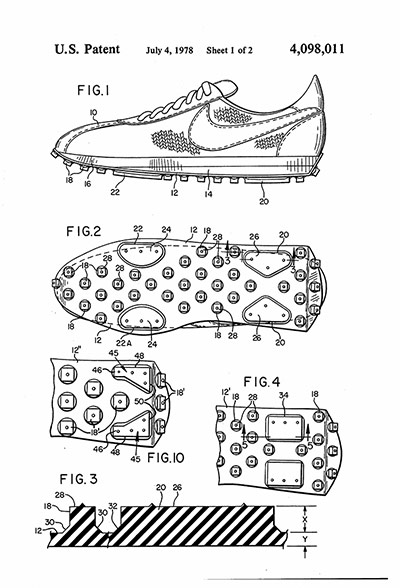
An ivory dildo complete with a gizmo to simulate ejaculation, 1701-1800Photograph: Science Museum, LondonSome gas-powered artificial arms for a child, 1964Photograph: Science Museum, LondonLower limb prostheses for a child from 1966 Photograph: Science Museum, LondonThe i-Limb ultra bionic prosthetic hand, currently the most advanced artificial hand availablePhotograph: Touch BionicsA knitted breast prosthesis designed by the Lactation Consultants of Great Britain and Beryl Tsang, knitted in 2012 Photograph: Wellcome Images/Knitted by Louise SargentThe Whizzinator was originally marketed as a way of delivering clean urine samples. It was sold as a kit, with heater packs, a false penis (available in several skin tones) and an instruction manual. The manufacturers were prosecuted for conspiracy to defraud the US government; the device is now sold as a sex toyPhotograph: Wellcome Library, LondonA motorised wheelchair with proximity detectors, designed in 1997Photograph: The Estate of Donald G RodneyNasal surgery before and after shots, 1931Photograph: Wellcome Library, LondonMore nasal surgery before and after images, 1931Photograph: Wellcome Library, LondonA hand-coloured illustration of an early prosthetic nose, 1561. This was designed by Ambroise Paré, one of the forefathers of surgery and prosthetics. He also invented artificial eyes and made them from enamelled gold, silver, porcelain and glassPhotograph: Wellcome Library, LondonA woman using a root vegetable dildo, 19th-century drawingPhotograph: Wellcome Library, LondonThe Sandell-Gray Figure Trainer from 1911. Eugen Sandow was a pioneering bodybuilder who developed a series of 'muscle display performances' which he incorporated into a regime that became this book on how to achieve the ideal physiquePhotograph: Wellcome Images/Wellcome Library, LondonAn early example of 'spikes' – men's black leather spiked running shoes from the 1860s, manufactured by Brighton boot makers Thomas Dutton and ThorowgoodPhotograph: The Shoe Collection, Northampton Museums and Art GalleryThe original Nike Waffle-soled trainers from 1977Photograph: The Shoe Collection, Northampton Museums and Art GalleryPatent drawing for the original Nike Waffle-soled trainer. The patent was granted in 1978Photograph: U.S Patent and Trademark Office
Sign up to read this article
Read news from 100’s of titles, curated specifically for you.