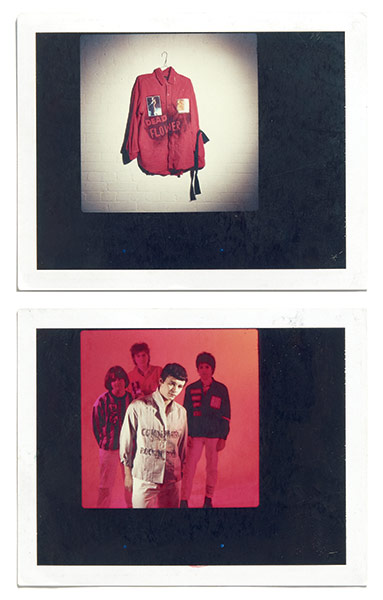
We made our own clothes early on, like stencilling shirts, because it was cheap and it was so hard to get stuff back then. Recently this brilliant girl came up to me after a gig and she was wearing the shirt in this picture (top). She was about 16 years old and had paid loads for it on eBay. Meeting her made me feel like the shirt had become some kind of great rock’n’roll relic Photograph: Tom Sheehan
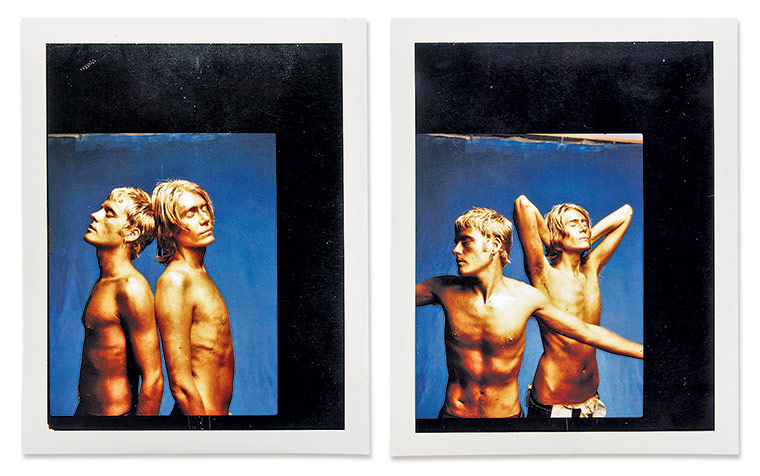
There was division of labour within the band. Richey and me did the interviews; James and Sean did the music. We weren’t sure about being painted gold at the time, but looking at it now, it’s amazing.
The first couple of years of the band were the best and I like to believe Richey was enjoying himself as well. Although there was one apocalyptic tour of Germany where he drank Johnnie Walker Black Label all day then ate a kiwi fruit to sober up. He would say, “I’m fine now! I’ve had a kiwi fruit!” Photograph: Steve Gullick
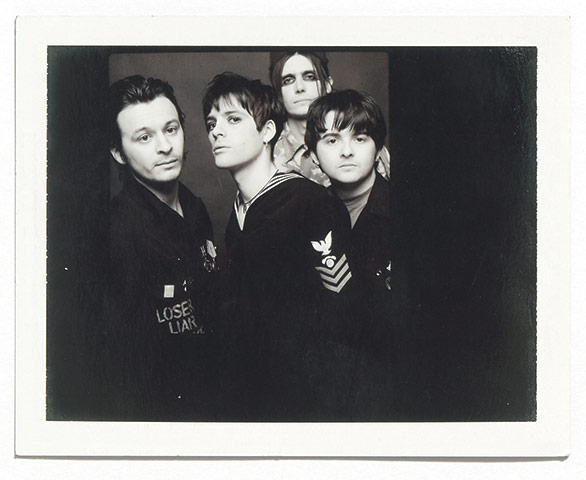
This was taken at the height of Britpop, when bands were using working class culture in what we saw as a degrading way. We felt totally on our own, more so than at any point in our career, and dressing in military clothing was part of that. We were a unit and when we did Glastonbury that year, dressed in fatigues, it felt like we were in Apocalypse Now Photograph: Neil Cooper
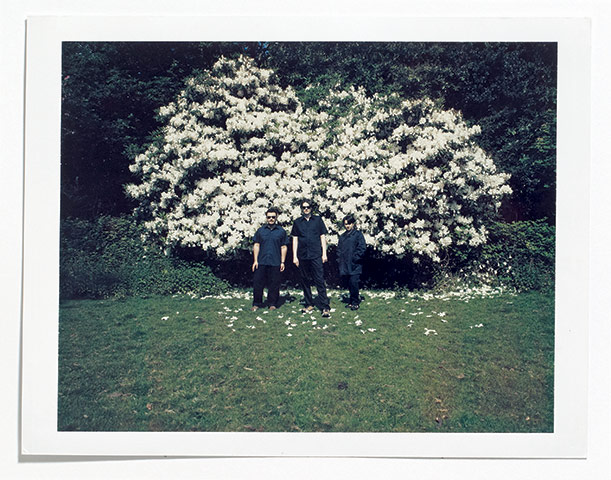
We saw this massive rhododendron bush and hopped over the fence to get to it. It was in North Wales in Lord Harlech’s garden, although it’s more like a massive estate. We had an inner confidence at this point. We’d worked out where to stand in photos now we were a trio [after Richey's disappearance]. James was always shoving me into the middle, saying, ‘It looks better’.
Apart from when we’re in the studio, we’ve never been entirely comfortable as a trio. On stage, we still leave a space that would have been where Richey stood
Photograph: Andy Earl
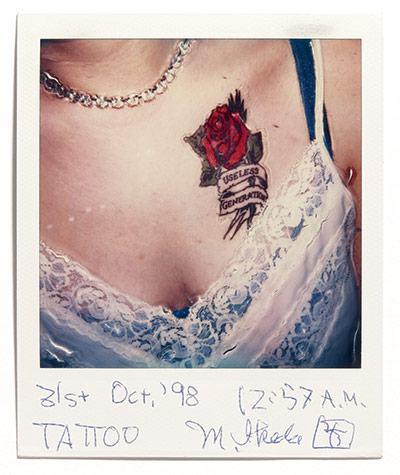
I almost used this for the cover of the book. Our fans are incredibly loyal. I understand why some of them might have gone off us at various points, but I think a lot of them have come back again recently. But it’s also crucial that you renew your fanbase as a band, otherwise you stop growing, artistically as well as commercially. I don’t ever want to play to a bunch of self-satisfied old people who are only there because it’s a night out Photograph: Mitch Ikeda
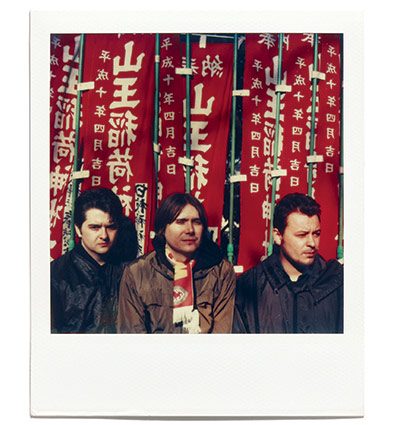
This was taken in a beautiful, contemplative temple in Tokyo, near the Capitol hotel, where the Beatles famously had to be locked in for their own safety. I’m wearing a Welsh football scarf from 1974 or ’75. As we travelled, I became more aware of my Welshness Photograph: Mitch Ikeda
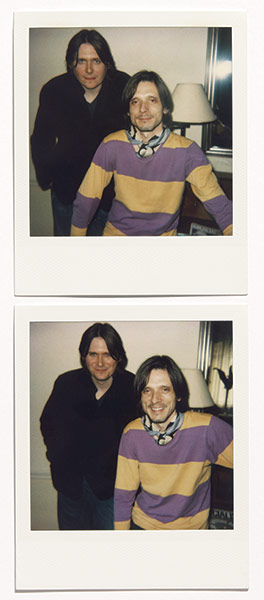
Meeting Jeremy Deller was a happy accident. He’d noticed that Richey used to wear one of the T-shirts that he made. It triggered his interest in us and The Uses Of Literacy [an exhibition put on by Deller inspired by the band] followed. I didn’t meet him properly until a later exhibition in Cardiff [called Unconvention, using the work of artists, writers and painters who had inspired the band], which is probably one of the things I’m most proud of Photograph: Robin Turner
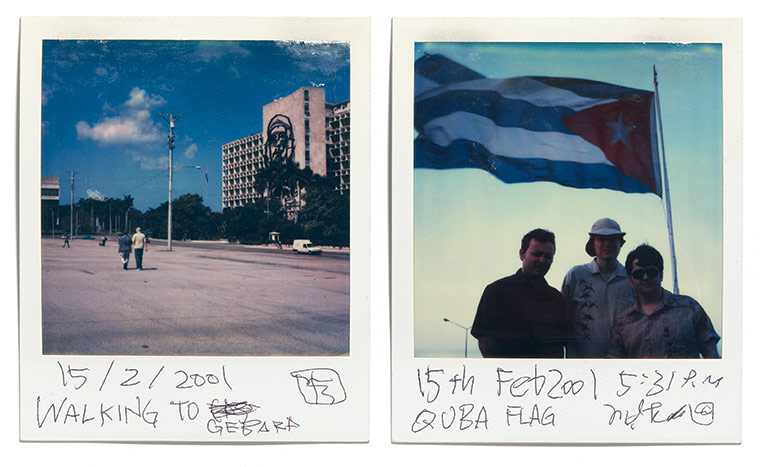
At the time, playing in Cuba was one of the hardest things we’d ever done, although I look back now and think it was hysterical and nuts and what rock n roll should be about.
We never thought we would actually meet Castro. When he came into the room before the show he was asking us questions about Wales. Then he said, “Your drums cannot be louder than war” Photograph: Mitch Ikeda
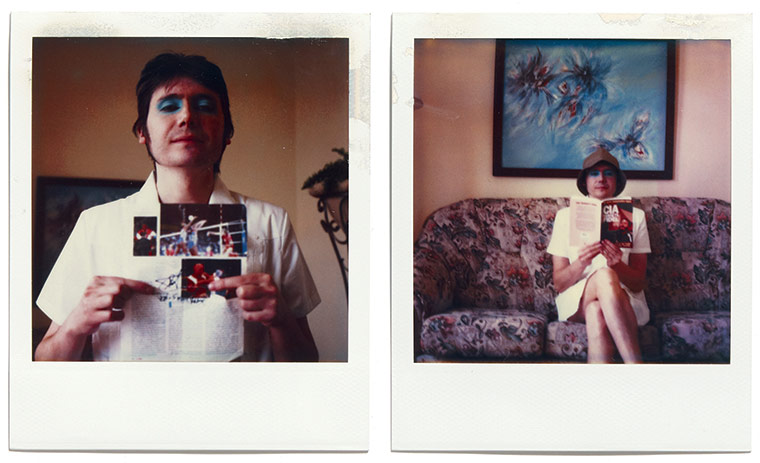
I bought this dress in the hotel foyer [Wire sometimes wears a dress on stage]. It looked perfect on me. The room was the same suite in Havana that Al Pacino stayed in when he made the Godfather.
The boxer I’m pointing to in the picture on the left is (triple Olympic gold medallist) Felix Savon, who we met because he came to the gig Photograph: Mitch Ikeda
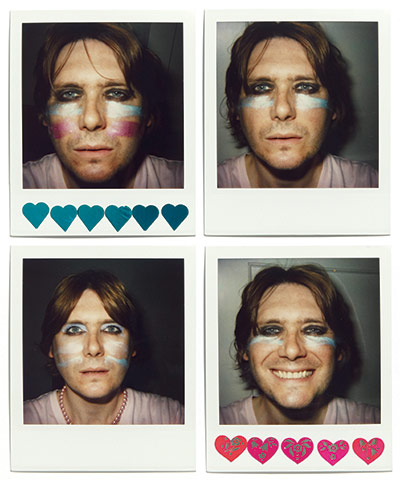
I wanted I Killed the Zeitgeist to be as homemade as possible. So these pictures were done in my bedroom. My daughter, who was only three or four at the time, came in while I was doing the shots and started laughing at me. The pictures are me saying, this is my aesthetic Photograph: Nicky Wire
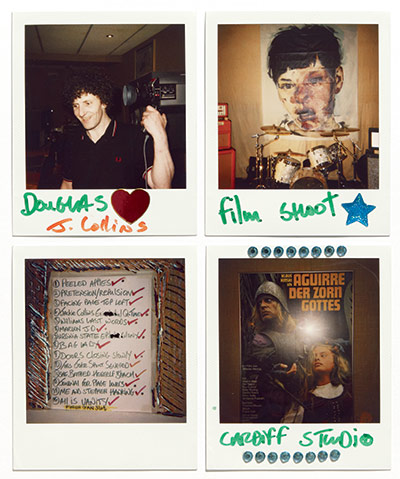
James had been dipping into Richie’s lyrics. I was scared to revisit them; I found some of the words disturbing. What made me feel better was that James was really strong musically at this point and Steve Albini, who Richey had wanted to work with, was producing the record. The artist Jenny Saville also let us have a painting (top right) free for the cover, which was an amazing act of humanity Photograph: Nicky Wire